
Continued investment in the certification and supervision of our processes, facilities and equipment, as well as monitoring the upstream production activities of our operations, are the critical to the reputation capital of our banners and businesses. To protect it, we take responsibility for anticipating and mitigating negative impacts, while ensuring a safe customer experience in our stores and through our products. To that end, we rely on a set of different actions, including:
risk assessments and certification of the Group’s Companies;
audits of stores and distribution centres;
facility analyses;
product analyses;
product recalls and withdrawals;
food hygiene and safety training.
Our co-operation with thousands of perishables and Private Brand suppliers includes rigorous assessments to ensure that products are safe for consumption1.
We believe that promoting quality as an integral concept strengthens the competitiveness and sustainable development of our business and that of our suppliers, while also reinforcing trust and improving the quality of life of the millions of consumers and customers who visit our stores every day.
The Group’s growth strategy, that operated than 6,400 stores across five different countries in 2025, underpins many of the variations observed below, both with regard to the different quality assurance and food safety measures we have implemented and to the launch of new products.
Risk assessments and certifications
The risk assessments of Private Brand products and perishables are carried out by our quality and product development teams and take into account factors such as:
laws in force and the technical specifications issued by the official authorities;
recommendations of the European Union and/or other official bodies;
emergency alerts issued through the Rapid Alert System for Food and Feed (RASFF) and known food fraud incidents;
physical characteristics of products (such as perishability) and their organoleptic properties (such as colour, texture, taste and smell);
country of origin of production and/or supply of the products and the track record of trade partners;
market expansion (stores and distribution centres);
surrounding conditions (sanitation or weather conditions related to humidity and average temperatures);
adoption of facility certification schemes;
results of past assessments.
Certification plays an important role in setting high quality and safety standards for our Companies’ facilities, promoting a more integrated management approach and supporting the continuous improvement of our procedures.
Certification |
|
Scope |
|
Infrastructure |
||||||||
|---|---|---|---|---|---|---|---|---|---|---|---|---|
NP EN ISO/IEC 17025:2018 |
|
Jerónimo Martins |
|
Jerónimo Martins Laboratory, in Portugal. |
||||||||
ISO 22000:2018 Food Safety Management System1 |
|
Biedronka |
|
Food product storage and distribution at 17 distribution centres in Poland. |
||||||||
|
|
Headquarters certification for the development of Private Brand products. |
||||||||||
|
Recheio and Recheio MasterChef |
|
28 Recheio stores. |
|||||||||
FSSC 22000 v6.0Food Safety Certification System+ISO 22000:2018 Food Safety Management System |
|
Biedronka |
|
Production of ready‑to‑eat after heating and individual packaging at the Soup Factory, in Poland, under specific certification for ready‑to‑eat meal production. |
||||||||
ISO 9001 |
|
Pingo Doce |
|
Product development, product launches and supplier monitoring within the Private Brand development area. |
||||||||
|
Pingo Doce |
|
2 central kitchens |
|||||||||
|
Recheio |
|
11 stores |
|||||||||
|
Pingo Doce |
|
7 distribution centres, applied to logistics process |
|||||||||
Organic Products (EU Reg. 2018/848) |
|
Biedronka |
|
Organic product handling at 18 distribution centres in Poland. |
||||||||
Storage and preparation of organic products in stores |
|
Biedronka |
|
510 stores in Poland. |
||||||||
Animal welfare certification covering the in-store handling of lamb, pork, veal, free-range chicken and conventional chicken products |
|
Pingo Doce |
|
All Pingo Doce and Recheio stores, as well as all Distribution Centres. In 2025, audits were carried out at 12 stores and one distribution centre. |
||||||||
In-store handling of free-range chicken products |
|
Pingo Doce |
|
All Pingo Doce and Recheio stores, as well as the Distribution Centres, are certified and regularly monitored. In 2025, audits were carried out at 19 stores and one Distribution Centre. |
||||||||
|
||||||||||||
Audits of stores and distribution centres
To ensure strict compliance with our food quality and safety standards, we carry out regular audits of stores, distribution centres and other facilities, including canteens and production units. These evaluations enable us to monitor the performance of the different units, identify improvement opportunities and ensure compliance with internal and regulatory requirements.
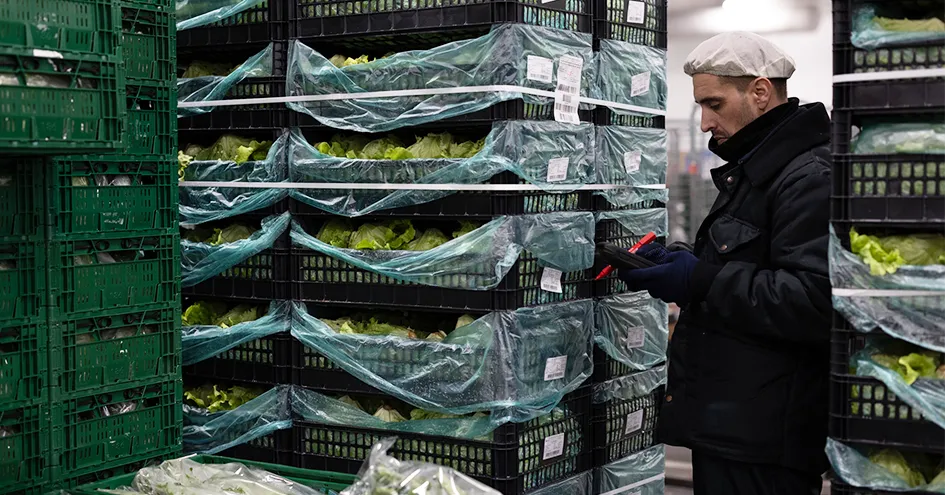
Audits conducted by internal or external teams specialized in product quality and safety assess aspects such as hygiene, cleaning and disinfection, infrastructure and equipment maintenance, good manufacturing practices, product handling, potable water, metrology, pest control, waste management, record keeping, traceability and the updating of procedures.
Each audit results in a rating that may vary depending on the country and the type of facility, using a scale ranging from “Inadequate”, “Basic”, “Satisfactory”, “Good”, “Very Good” to “Excellent”. Corrective actions are defined according to the severity of the nonconformities identified, with deadlines for resolution ranging from immediate intervention to the next audit.
|
|
Stores1 |
|
Distribution centres2 |
||||||||||||||||||||||
|---|---|---|---|---|---|---|---|---|---|---|---|---|---|---|---|---|---|---|---|---|---|---|---|---|---|---|
|
|
2025 |
|
2024 |
|
Δ 2025/2024 |
|
2025 |
|
2024 |
|
Δ 2025/2024 |
||||||||||||||
Group |
|
21,013 |
|
19,199 |
|
+9.4% |
|
499 |
|
365 |
|
+36.7% |
||||||||||||||
Internal audits |
|
14,143 |
|
12,944 |
|
+9.3% |
|
101 |
|
86 |
|
+17.4% |
||||||||||||||
Follow-up audits |
|
5,112 |
|
4,945 |
|
+3.4% |
|
358 |
|
244 |
|
+46.7% |
||||||||||||||
External audits |
|
1,758 |
|
1,310 |
|
+34.2% |
|
40 |
|
35 |
|
+14.3% |
||||||||||||||
Biedronka |
|
10,727 |
|
9,867 |
|
+8.7% |
|
62 |
|
59 |
|
+5.1% |
||||||||||||||
Internal audits |
|
10,536 |
|
9,657 |
|
+9.1% |
|
36 |
|
36 |
|
0.0% |
||||||||||||||
Follow-up audits3 |
|
182 |
|
172 |
|
+5.8% |
|
2 |
|
0 |
|
– |
||||||||||||||
External audits |
|
9 |
|
38 |
|
-76.3% |
|
24 |
|
23 |
|
+4.3% |
||||||||||||||
HACCP Performance4 |
|
85% |
|
87% |
|
-2 p.p. |
|
91% |
|
91% |
|
0 p.p. |
||||||||||||||
Pingo Doce |
|
3,289 |
|
3,583 |
|
-8.2% |
|
394 |
|
282 |
|
+39.7% |
||||||||||||||
Internal audits |
|
492 |
|
486 |
|
+1.2% |
|
36 |
|
38 |
|
-5.3% |
||||||||||||||
Follow-up audits |
|
2,702 |
|
3,006 |
|
-10.1% |
|
345 |
|
235 |
|
+46.8% |
||||||||||||||
External audits |
|
95 |
|
91 |
|
+4.4% |
|
13 |
|
9 |
|
+44.4% |
||||||||||||||
HACCP Performance5 |
|
89% |
|
88% |
|
+1 p.p. |
|
82% |
|
77% |
|
+5 p.p. |
||||||||||||||
Recheio |
|
455 |
|
469 |
|
-3.0% |
|
|
|
|
|
|
||||||||||||||
Internal audits |
|
90 |
|
86 |
|
+4.7% |
|
|
|
|
|
|
||||||||||||||
Follow-up audits |
|
350 |
|
365 |
|
-4.1% |
|
|
|
|
|
|
||||||||||||||
External audits |
|
15 |
|
18 |
|
-16.7% |
|
|
|
|
|
|
||||||||||||||
HACCP Performance |
|
88% |
|
87% |
|
+1 p.p. |
|
|
|
|
|
|
||||||||||||||
Ara |
|
6,542 |
|
5,280 |
|
+23.9% |
|
43 |
|
24 |
|
+79.2% |
||||||||||||||
Internal Audits |
|
3,025 |
|
2,715 |
|
+11.4% |
|
29 |
|
12 |
|
+141.7% |
||||||||||||||
Follow-up audits |
|
1,878 |
|
1,402 |
|
+34.0% |
|
11 |
|
9 |
|
+22.2% |
||||||||||||||
External audits |
|
1,639 |
|
1,163 |
|
+40.9% |
|
3 |
|
3 |
|
0.0% |
||||||||||||||
Good hygiene and quality practices6 |
|
79% |
|
81% |
|
-2 p.p. |
|
94% |
|
92% |
|
+2 p.p. |
||||||||||||||
|
||||||||||||||||||||||||||
Biedronka
Internal and follow-up audits at Biedronka are conducted by independent external entities. In 2025, the number of internal store audits increased as a result of network expansion (181 openings) and the growth in the number of stores with meat counters, reaching at year-end over 1,500. Biek, Biedronka’s Q-commerce service, underwent 53 audits, more than double of the number of audits conducted in 2024.
External audits of stores carried out by local authorities, according to their own planning, decreased in 2025, with the primary focus on certification in stores offering organic bread assortments2 (519 in 2025). The decline in HACCP store performance is due to changes to the checklist criteria for 2025, which were designed to more accurately reflect the improvements needed to achieve better performance.
At distribution centres, the number of internal audits remained stable as a result of the risk assessment, while follow-up audits for on-site verification of the results of previous external audits were conducted in accordance with the ISO 22000 schedule.
Pingo Doce and Recheio
At Pingo Doce, the opening of nine new stores led to a slight increase in the number of internal audits, while follow-up audits decreased as a result of the improvements observed compared with the previous year. This approach led to an improvement in HACCP performance for the third consecutive year, adding a further 7 p.p. compared with 2022.
At Recheio, the number of internal audits increased due to the food safety risk matrix (as a result of previous audits), despite the number of stores remaining unchanged. Follow-up audits decreased, reflecting the corrective actions identified by the operational food safety teams based on the findings identified in the previous year. Store HACCP performance has improved 4 p.p. over the past two years.
In distribution centres in Portugal, the number of internal audits decreased as a result of risk-matrix-based planning, while follow-up audits increased as more distribution centres became subject to HACCP certification requirements. HACCP performance at these facilities recovered to a level close to that recorded in 2023, before the certification objective was achieved.
At Pingo Doce and Recheio stores, and at distribution centres, external audits are carried out by the local authorities according to their own planning.
Ara
Internal store audits increased, in line with the expansion of the network by 225 additional stores during the year. The number of follow-up audits conducted by internal teams and external entities also increased, reflecting the need to reassess a greater number of control points, reversing the trend observed in 2024 compared with 2023. Revision of the annual checklist criteria for 2025 provided greater visibility into store performance regarding hygiene and quality best practices, revealing lower compliance with cleaning practices and record-keeping controls.
At distribution centres, the increase in audits is explained by the results obtained in previous assessments, particularly regarding performance in hygiene and quality best practices. These efforts enabled performance to return to the level recorded in 2023. The increases are also explained by the inclusion, in the process, of canteens and external goods warehouses.
Facility analyses
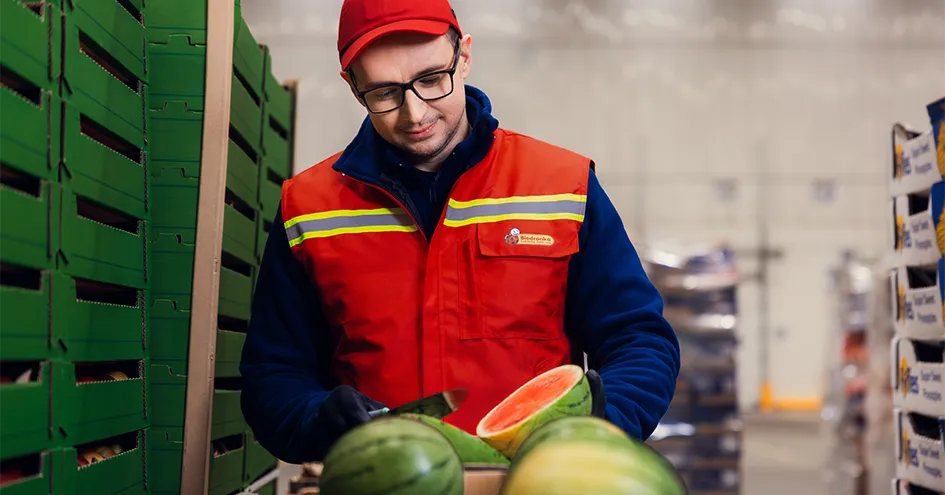
To closely monitor food quality and safety, we carried out more than 280,000 analyses at our facilities, 10.9% more than in 2024. These analyses covered work surfaces, product manipulators, raw materials, finished products and water.
|
|
2025 |
|
2024 |
|
Δ 2025/2024 |
||||
|---|---|---|---|---|---|---|---|---|---|---|
Group |
|
|
|
|
|
|
||||
Work surfaces |
|
187,791 |
|
167,392 |
|
+12.2% |
||||
Manipulators |
|
32,559 |
|
30,807 |
|
+5.7% |
||||
Raw materials/Finished product |
|
44,321 |
|
40,121 |
|
+10.5% |
||||
Water |
|
15,618 |
|
14,531 |
|
+7.5% |
||||
Total |
|
280,289 |
|
252,851 |
|
+10.9% |
||||
Poland |
|
|
|
|
|
|
||||
Work surfaces |
|
126,020 |
|
103,596 |
|
+21.6% |
||||
Manipulators |
|
9,919 |
|
8,290 |
|
+19.7% |
||||
Raw materials/Finished product |
|
175 |
|
205 |
|
-14.6% |
||||
Water |
|
2,934 |
|
2,445 |
|
+20.0% |
||||
Total |
|
139,048 |
|
114,536 |
|
+21.4% |
||||
Portugal |
|
2025 |
|
2024 |
|
Δ 2025/2024 |
||||
Work surfaces1 |
|
59,026 |
|
61,003 |
|
-3.2% |
||||
Manipulators |
|
19,895 |
|
19,928 |
|
-0.2% |
||||
Raw materials/Finished product |
|
41,357 |
|
37,367 |
|
+10.7% |
||||
Water |
|
6,672 |
|
6,608 |
|
+1.0% |
||||
Total |
|
126,950 |
|
124,906 |
|
+1.6% |
||||
Colombia |
|
2025 |
|
2024 |
|
Δ 2025/2024 |
||||
Work surfaces |
|
2,745 |
|
2,793 |
|
-1.7% |
||||
Manipulators |
|
2,745 |
|
2,589 |
|
+6.0% |
||||
Raw materials/Finished product |
|
2,789 |
|
2,549 |
|
+9.4% |
||||
Water |
|
6,012 |
|
5,478 |
|
+9.7% |
||||
Total |
|
14,291 |
|
13,409 |
|
+6.6% |
||||
|
||||||||||
In Poland, expansion of Biedronka led to a 21% increase in the number of analyses carried out, expect in the case of raw materials/finished product, which decreased due to operational decisions mainly related to the seasonality of roasted chicken sales and the reduced use of orange juice machines, a trend already observed in 2024 compared with 2023.
In Portugal, almost 127,000 analyses were carried out at the Companies’ facilities, 1.6% more than in the previous year, with the most significant increase observed in analyses of raw materials/finished product as a result of the risk assessment.
In Colombia, the number of analyses rose by almost 7%, driven by the increase in the number of stores.
Product analyses
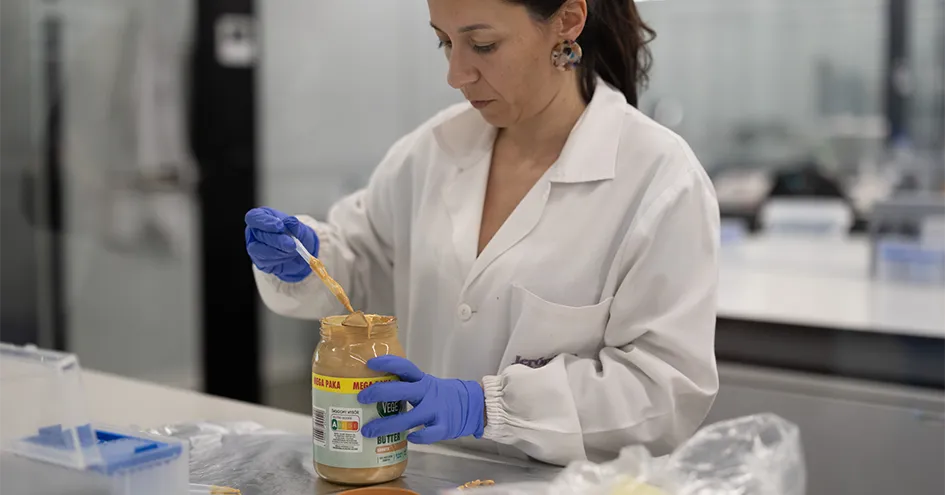
In addition to the aforementioned audits, independent and accredited external laboratories are also used to analyse the products we sell. We also operate our own molecular biology laboratory, further strengthening the quality and safety standards we guarantee our consumers. This laboratory, located in Portugal, complements the verification carried out during the product development and supply processes and focuses on the authenticity of the ingredients used in food products across all Companies. It is certified under the Portuguese standard NP EN ISO/IEC 17025:2018, which establishes the general requirements for testing and calibration competence. In 2025, over 6,750 Next-Generation DNA Sequencing (NGS) tests were conducted on molluscs, crustaceans, meat and fish, as well as for GMO screening.
In 2025, more than 96,000 analyses were performed on Private Brand products, an increase of 34% compared with 2024, while around 12,000 analyses were carried out on perishable products, 8% fewer than in the previous year. Overall, analyses increased by 27.4%.
|
|
2025 |
|
2024 |
|
Δ 2025/2024 |
||||||||
|---|---|---|---|---|---|---|---|---|---|---|---|---|---|---|
Group |
|
|
|
|
|
|
||||||||
Private Brand |
|
96,522 |
|
72,101 |
|
+33.9% |
||||||||
Perishables |
|
12,163 |
|
13,232 |
|
-8.1% |
||||||||
Total |
|
108,685 |
|
85,333 |
|
+27.4% |
||||||||
Poland and Slovakia (Biedronka) |
|
|
|
|
|
|
||||||||
Private Brand |
|
23,500 |
|
23,077 |
|
+1.8% |
||||||||
Private Brand – Food |
|
22,202 |
|
21,750 |
|
+2.1% |
||||||||
Private Brand – Non-food |
|
1,298 |
|
1,327 |
|
-2.2% |
||||||||
Perishables |
|
7,937 |
|
8,611 |
|
-7.8% |
||||||||
Fruit and vegetables |
|
5,016 |
|
4,182 |
|
+19.9% |
||||||||
Meat and fish |
|
2,191 |
|
2,991 |
|
-26.7% |
||||||||
Bakery |
|
276 |
|
976 |
|
-71.7% |
||||||||
Eggs |
|
454 |
|
462 |
|
-1.7% |
||||||||
Total |
|
31,437 |
|
*31,688 |
|
-0.8% |
||||||||
Portugal (Pingo Doce and Recheio) |
|
|
|
|
|
|
||||||||
Private Brand |
|
22,515 |
|
22,486 |
|
+0.1% |
||||||||
Private Brand – Food1 |
|
18,146 |
|
18,494 |
|
-1.9% |
||||||||
Private Brand – Non-food |
|
4,369 |
|
3,992 |
|
+9.4% |
||||||||
Perishables |
|
3,867 |
|
4,258 |
|
-9.2% |
||||||||
Fruit and vegetables |
|
2,010 |
|
1,857 |
|
+8.2% |
||||||||
Meat |
|
606 |
|
689 |
|
-12.0% |
||||||||
Fish |
|
754 |
|
1,233 |
|
-38.8% |
||||||||
Bakery |
|
292 |
|
**266 |
|
+9.8% |
||||||||
Meal Solutions |
|
205 |
|
**213 |
|
-3.8% |
||||||||
Total |
|
26,382 |
|
26744 |
|
-1.4% |
||||||||
Colombia (Ara) |
|
|
|
|
|
|
||||||||
Private Brand |
|
50,507 |
|
26,538 |
|
+90.3% |
||||||||
Private Brand – Food |
|
44,525 |
|
21,202 |
|
+110.0% |
||||||||
Private Brand – Non-food |
|
5,982 |
|
5,336 |
|
+12.1% |
||||||||
Perishables |
|
359 |
|
363 |
|
-1.1% |
||||||||
Fruit and vegetables |
|
159 |
|
152 |
|
+4.6% |
||||||||
Meat |
|
108 |
|
123 |
|
-12.2% |
||||||||
Fish |
|
27 |
|
35 |
|
-22.9% |
||||||||
Bakery |
|
65 |
|
53 |
|
+22.6% |
||||||||
Total |
|
50,866 |
|
26,901 |
|
+89.1% |
||||||||
|
||||||||||||||
The increase in analyses of Private Brand products reflects the expansion of the store network and the broader assortment, which increased the volume of products requiring analysis, as well as the resulting increase in partnerships with suppliers (171 new). Of note is the 110% increase in analyses of Ara Private Brand food products, explained by a higher number of launches and relaunches, reformulation projects, and reinforcement of the analytical monitoring of product performance against competitors.
The 8% reduction in analyses of perishable products is primarily explained by the risk assessment process (which considers specific products as well as the results of previous audits), the strong compliance record in previous years and the rigorous monitoring of production. In Ara’s case, this is also explained by a reduction in the portfolio.
At Biedronka, the 20% increase in analyses of fruit and vegetables reflects alerts related to new origins and the risk assessment process. In Portugal, and within the same category, the 8% increase is due to reinforcement of tests required under current legislation and pesticide-related recommendations, as well as the monitoring of the origins of strategic agricultural products. At Ara, the significant increase of the analyses of bakery products reflects the expansion of the product offering.
Food recalls and withdrawals
Even in isolated cases, we immediately remove from the market any product that may pose a risk to consumers or to society, safeguarding public health and protecting the reputation and credibility of our Companies and brands. Continuous monitoring, communication with the official health authorities, and the traceability of products and suppliers enable a fast and effective reaction in the prevention/or reaction to any incidents.
There are two types of food product removal, which address specific risks to the health and safety of consumers:
recall3 – removal from sale of products with potential health risks;
withdrawal4 – removal from sale of products that do not pose a health risk.
In both cases, internal investigations are carried out and, if necessary, at suppliers, to identify the causes and implement the appropriate corrective measures to prevent future occurrences.
The severity of the risks to consumer health and safety is classified into three levels:
Level I – critical (recall): aspects that may affect food safety and public health;
Level II – food quality and safety (withdrawal): aspects that may affect the consumer experience and safety of the product;
Level III – labelling (withdrawal): aspects related to labelling requirements.
To prevent nonconformities, and to avoid product withdrawals/recalls, we monitor suppliers and products, including the implementation of action plans and packaging adjustments. Corrective actions are monitored to minimise the risk to consumer health and enable product sales to be resumed.
In 2025, a total of 335 incidents leading to product withdrawal were recorded, 52% more than in 2024. The vast majority were classified as Level II and Level III, corresponding to non-critical incidents. Recalls decreased 75% compared to 2024. This indicator confirms a downward trend over the years (thirteen incidents in 2022, six in 2023, four in 2024, and one in 2025).
|
|
|
|
Level I |
|
Level II |
|
Level III |
|
Total incidents |
||||||||||||||||
|---|---|---|---|---|---|---|---|---|---|---|---|---|---|---|---|---|---|---|---|---|---|---|---|---|---|---|
|
|
2025 |
|
2024 |
|
Δ 2025/ |
|
2025 |
|
2024 |
|
Δ 2025/ |
|
2025 |
|
2024 |
|
Δ 2025/ |
|
2025 |
|
2024 |
|
Δ 2025/ |
||
Group |
|
|
|
1 |
|
4 |
|
-75.0% |
|
259 |
|
163 |
|
+58.9% |
|
75 |
|
54 |
|
+38.9% |
|
335 |
|
221 |
|
+51.6% |
Portugal (Pingo Doce and Recheio) |
|
Private Brands |
|
0 |
|
0 |
|
– |
|
144 |
|
75 |
|
+92.0% |
|
22 |
|
22 |
|
0.0% |
|
166 |
|
97 |
|
+71.1% |
|
Perishables |
|
0 |
|
1 |
|
-100.0% |
|
28 |
|
37 |
|
-24.3% |
|
26 |
|
13 |
|
+100.0% |
|
54 |
|
51 |
|
+5.9% |
|
Poland and Slovakia (Biedronka) |
|
Private Brands |
|
0 |
|
2 |
|
-100.0% |
|
57 |
|
32 |
|
+78.1% |
|
20 |
|
17 |
|
+17.6% |
|
77 |
|
51 |
|
+51.0% |
|
Perishables |
|
1 |
|
1 |
|
0.0% |
|
11 |
|
1 |
|
+1,000.0% |
|
4 |
|
0 |
|
– |
|
16 |
|
2 |
|
+700.0% |
|
Colombia (Ara) |
|
Private Brands |
|
0 |
|
0 |
|
– |
|
13 |
|
9 |
|
+44.4% |
|
2 |
|
2 |
|
0.0% |
|
15 |
|
11 |
|
+36.4% |
|
Perishables |
|
0 |
|
0 |
|
– |
|
6 |
|
9 |
|
-33.3% |
|
1 |
|
0 |
|
– |
|
7 |
|
9 |
|
-22.2% |
|
The only recall recorded resulted from a request from an official authority following an inspection visit to a supplier and was therefore not attributable to Jerónimo Martins5.
The increase in Level II and Level III incidents involving perishable products reflects factors external to the business, particularly alerts issued through the Rapid Alert System for Food and Feed (RASFF) and notifications from local authorities.
In Portugal, the increase in Level II incidents involving Private Brand products was due to European alerts related to chickpeas and spices. Level III cases follow patterns similar to those observed in the previous year, namely incorrect expiry dates (typically during the transition between calendar years), labelling errors by suppliers, and inaccuracies regarding the alcohol content of wines.
At Biedronka, the increase in Level II incidents involving Private Brand products reflects a higher number of complaints related to meat counter products, a service available in more than 2,800 stores, while Level III incidents were associated with labelling errors and associated sensorial defects in olive oil and bottled water.
In Colombia, the increases were due to the proactivity of suppliers, who carried out more tests and identified non-compliant products, requesting their removal as well as to an intensified product sampling and controls and customer and store complaints.
Food quality and safety training
Providing safe, high-quality food products also involves investing in our teams, ensuring they have the skills required to deliver specialised service to our consumers6.
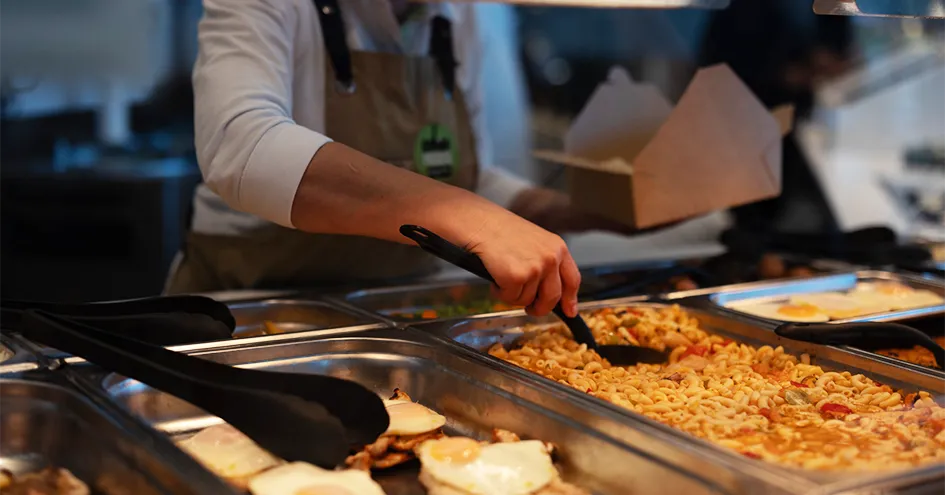
In 2025, investment in hygiene and food safety training translated into more than 293,000 hours of training provided to over 62,000 employees.
|
|
Training volume1 |
|
Training courses |
|
Employees trained |
||||||||||||||||||
|---|---|---|---|---|---|---|---|---|---|---|---|---|---|---|---|---|---|---|---|---|---|---|---|---|
|
|
2025 |
|
2024 |
|
Δ 2025/ |
|
2025 |
|
2024 |
|
Δ 2025/ |
|
2025 |
|
2024 |
|
Δ 2025/ |
||||||
Group |
|
293,679 |
|
249,346 |
|
17.8% |
|
9,726 |
|
9,727 |
|
0.0% |
|
62,376 |
|
57,130 |
|
9.2% |
||||||
Portugal2 |
|
57,711 |
|
60,328 |
|
-4.3% |
|
3,527 |
|
3,592 |
|
-1.8% |
|
12,383 |
|
11,120 |
|
+11.4% |
||||||
Poland (Biedronka) |
|
24,696 |
|
27,731 |
|
-10.9% |
|
5,922 |
|
6,048 |
|
-2.1% |
|
23,137 |
|
25,135 |
|
-7.9% |
||||||
Colombia (Ara) |
|
211,273 |
|
161,287 |
|
+31.0% |
|
277 |
|
87 |
|
+218.4% |
|
26,856 |
|
20,875 |
|
+28.7% |
||||||
|
||||||||||||||||||||||||
Investment in employee training in Colombia increased significantly, resulting in an exponential rise in training activities and in the number of employees involved. Conversely, at Biedronka all training-related indicators decreased due to the training schedule that is planned to be renewed every three years. In Portugal, the indicators remained stable, with the most notable increase of the number of employees involved, reflecting a higher number of employees completing initial training in hygiene and food safety.
Besides training focused on the requirements associated with the food safety management system and international HACCP risk control standards, training was also provided in areas such as food defence, waste separation for recycling, washing and cleaning activities (to ensure good production practices), in-store hygiene practices, quality audits and control visits, cold chain management and critical control points. In Portugal, the training offer covers a wide range of topics, whereas in Colombia training on process improvement, quality and cold chain management was strengthened in response to higher operational and regulatory demands. In Poland, training programmes focus primarily on food safety and HACCP processes.
1 For more information about these supply chain audits, see “Selection and monitoring of suppliers”.
2 External controls relating to organic certification were carried out by BioCert, an independent entity duly authorised by official bodies for such purpose.
3 Recall: a mandatory action taken by the Group Companies in response to inspections carried out by local authorities the results of laboratory analyses or internal audits, or complaints/reports (from producers, retailers, government agencies, or consumers). Notices are published using the appropriate medium for consumers to return or destroy the product concerned.
4 Withdrawal: a voluntary or mandatory action that can be taken on two occasions based on the risk analysis of the Companies or inspection by a local authority: (a) when quality defects (e.g., colour or texture), weight defects or irregularities are detected in the labelling (which does not pose a potential risk to the health or safety of consumers); or (b) as a precaution pending investigation into a potential risk to public health and safety. If a credible risk is identified, the product is removed from sale and it is categorised as a recall.
5 The Group has defined the following commitment for the 2024-2026 period: “To seek to ensure, on an annual basis, zero removals of food products with potential risk to public health (Level I severity) attributable to the Jerónimo Martins Companies”. For more information, see Sustainability commitments”.
6 For more information on employee training, see Training and skills development”.