
Highlights of the Year
Terra Alegre was awarded another Lean & Green star for reducing greenhouse gas emissions
Increased presence of Best Farmer meat counters in Recheio
Follow-on investment in Andfjord Salmon and acquisition of an equity interest in Norcod
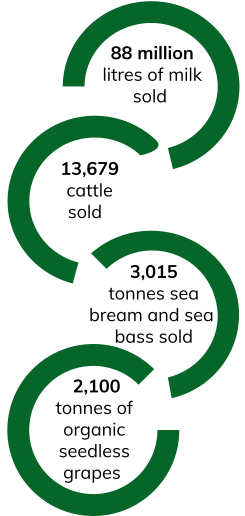
Sales campaign for “Hey, vita!” organic seedless grapes in Portugal and Poland exceeds 2,100 tonnes, up 42% on 2024
Additional information, particularly about our sustainability initiatives, may be found in Chapter "Sustainability" of this Report.
Message from the CEO
In 2025, JMA took decisive steps to support and enhance its growth strategy, consolidating its presence in key areas and strengthening value-chain integration across its businesses.
In the dairy segment, we continued to address the needs of the Jerónimo Martins Group’s distribution companies by developing new references and improving operational efficiency, boosting both competitiveness and customer service.
As regards to livestock farming, acquisition of a new property in Fundão increased our dairy farm capacity and laid the groundwork for significant growth in milk production in the years ahead. We also increased our herd of Angus cattle, further strengthening the scale and robustness of our operations.
Our aquaculture operations saw the start of meagre production in Morocco, strengthening the portfolio alongside sea bream and sea bass and increasing production capacity in the region. On the other hand, we also reinforced our position in Andfjord Salmon, continuing the development of the salmon project in Norway, and acquired a stake in Norcod, kick starting our cod production operations, also in Norway.
The acquisition of the Luís Vicente Group’s trading business in fruit and vegetables is expected to significantly boost commercial capacity and international market access, supporting faster growth and tighter alignment between production and sales.
Throughout the year, each of the business areas advanced their development plans, leveraging accumulated knowledge, skilled teams and installed capacity, with a clear focus on efficiency, scale and sustainable growth.
In 2026, JMA will enter a new phase of maturity, supported by solid foundations to consolidate existing businesses, accelerate value generation and strengthen its market presence, while remaining committed to operational discipline, financial rigour, and sustainable value creation.
António Serrano
Focus on supplying strategic products
In 2025, and alongside progress across its four business areas – dairy, livestock, aquaculture, and fruit and vegetables – JMA continued to pursue its aquaculture investment strategy, including the acquisition of a stake in the fresh cod producer Norcod, in Norway, becoming its second-largest shareholder, with a 18% stake. This investment builds on the earlier investment in the salmon producer Andfjord Salmon, with our stake increasing to around 40% in the year.
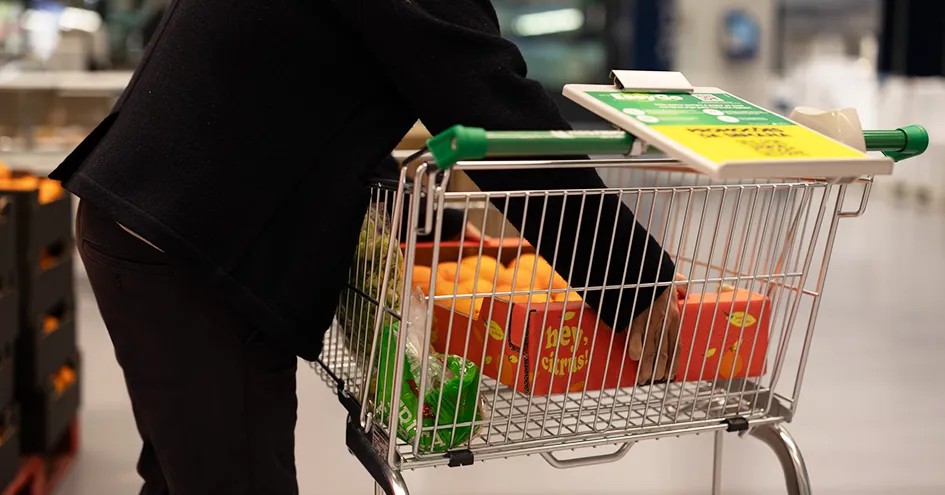
In the fruit and vegetable sector, in June the Group acquired its partners’ stake in and became the sole owner of Tastyfruits, a company cultivating and developing an organic citrus grove.
In October, an agreement was reached for Supreme Fruits to acquire Luís Vicente (a unit within the Nuvi Group dedicated to the production and sale of fruit and vegetables), including purchase of the remaining 20% of its share capital.
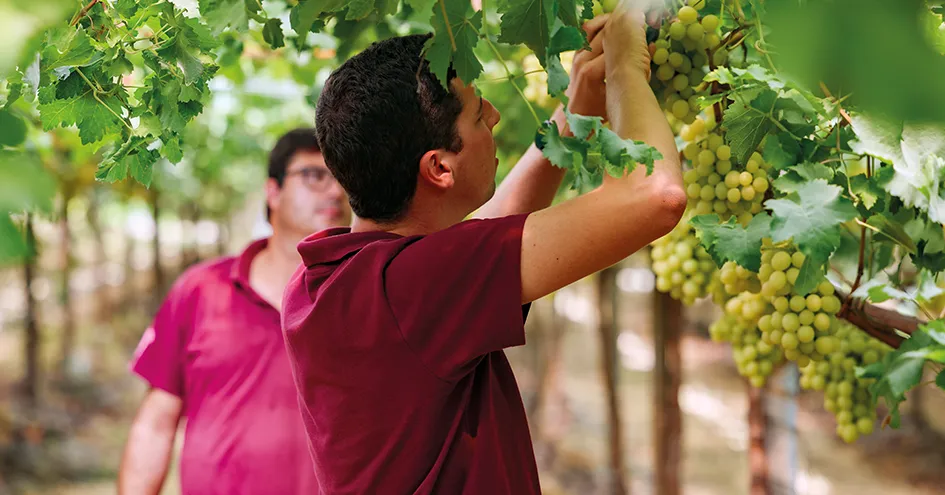
At Outro Chão, 2025 was a year of consolidation for the “hey,vita!” brand campaign, focused on promoting organic seedless grapes in Portugal and Poland. Launched in July, the campaign emphasised quality by harvesting the grapes at the ideal stage of ripeness and marketing the product solely within its natural season, between July and October.
This allows JMA to continue to fulfil its role of ensuring the availability of strategic products for the Group, while continuing to strengthen its commitment to sustainable production.
In the dairy sector, Terra Alegre earned another Lean & Green star – an European platform dedicated to reducing CO2 emissions – for reducing greenhouse gas emissions by 30.5% in logistics and transport. The award reflects measures implemented in warehousing and internal logistics, including the installation of an ammonia-based refrigeration system, bioclimatic air conditioning, photovoltaic solar panels, and the Jerónimo Martins backhauling service (to optimise round-trip transport).
Innovation in this area was further reinforced through a partnership with the Polytechnic Institute of Portalegre. The artificial intelligence project currently being explored will support data processing in the dairy factory, aimed primarily at generating meaningful information for management and improving process optimisation at the facility, enabling cost savings and energy efficiency gains.
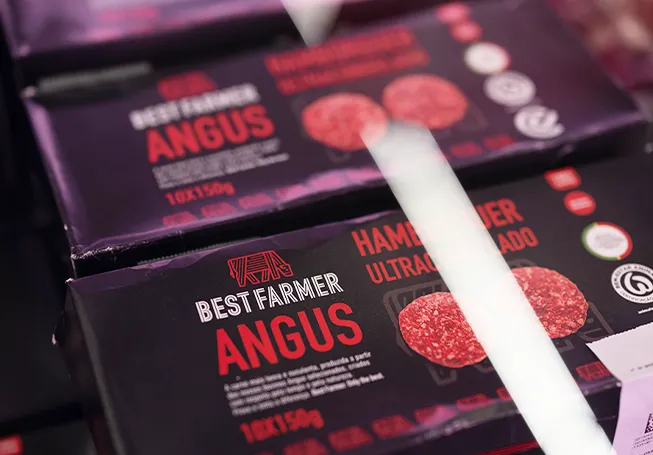
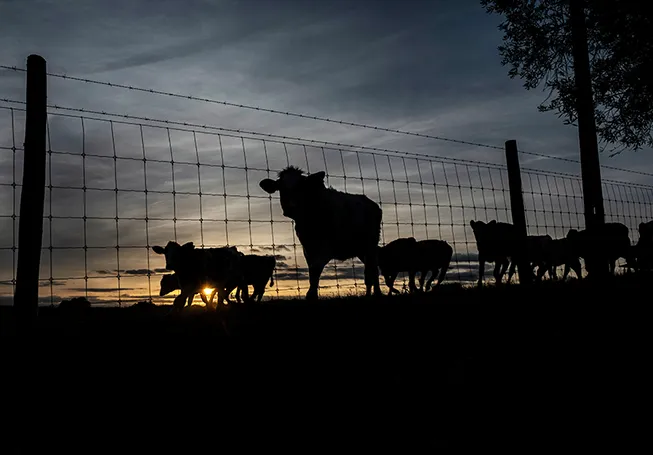
Within the agriculture business, Best Farmer, in partnership with Recheio, grew the brand’s meat counter presence from 15 to 22 stores in the last year. These counters offer an exclusive assortment, especially premium beef, veal and lamb from the farm in Fundão. Ahead of each opening, Recheio and Best Farmer provided specialised training to Recheio’s butchery teams, covering a range of cutting techniques, including tomahawk and T-bone cuts, and reinforcing the brand’s core pillars: animal welfare, differentiation and sustainability. Dairy farm capacity was also expanded with the purchase of a property in Fundão, enabling a significant increase in milk production.
With a continued focus on sustainability, Best Farmer applies circular economy principles by repurposing buttermilk, a by-product of Terra Alegre’s production, to feed calves, thus optimising resource use.
In 2025, Ovinos da Tapada produced its first batch of goats in Murça, with an initial herd of 250 Serrana goats. The farm is equipped to produce high-quality meat and milk for cheese production. This operation will enable Ovinos da Tapada to recover and improve soil quality in an area devastated by wildfires and long-term abandonment linked to desertification.
In aquaculture, a major step forward was achieved in Moroccos through Seaculture, with the doubling of production cages and upgrading of the packaging facility. The introduction of meagre alongside sea bream and sea bass production strengthens Seaculture’s offering in the Mediterranean, where JMA has been operating since 2021.
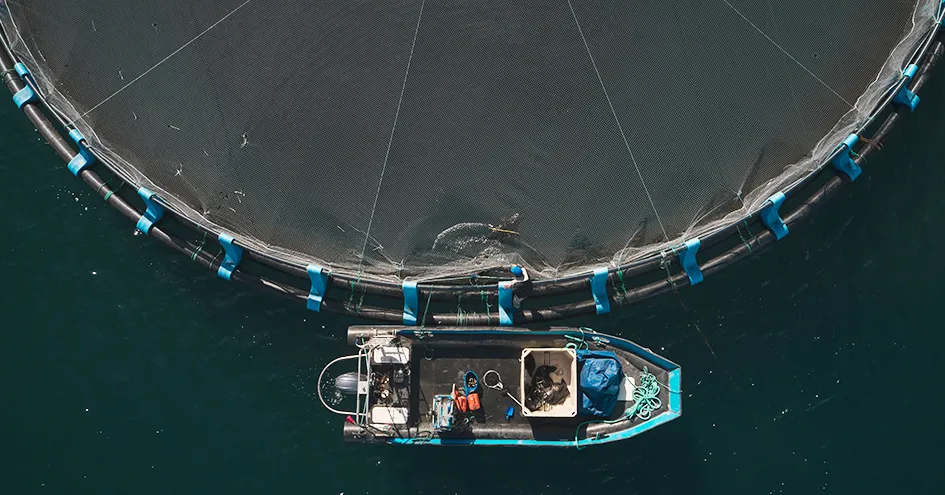
Beyond Morocco, Seaculture operates an offshore aquaculture production unit in Vila Real de Santo António, in the Algarve, the company’s largest facility. A new fish packaging facility was also opened in June. This new facility marks a significant step forward in Seaculture’s strategy, strengthening control across the value chain – from the start of production to packaging and distribution – while ensuring the highest quality standards and, above all, delivering fresh fish to the Group’s customers (Pingo Doce and Recheio) within 24 hours.
Awards and recognitions of note
In the dairy sector, JMA has held the Welfair™ certified animal welfare approved, since 2020.
Two Lean & Green stars at the Terra Alegre dairy factory following a more than 30% reduction in emissions (2024 compared to 2022).
Welfare Quality certification in animal welfare in the production of chicken (since 2022), sheep (since 2021) and dairy cows (since 2021), and cattle fattening (since 2019).
GlobalG.A.P. certification for sea bream and sea bass production in Madeira, Morocco and the Algarve.
GlobalG.A.P certification for organic seedless grapes, since 2023.