
We are committed to democratising the access to high-quality products that are safe, innovative and affordable, and that contribute to improving public health. We strive to ensure that our business is accessible to all consumers in the countries where we have operations and endeavour to offer a diversified assortment at competitive prices. We ensure that our quality, safety and product development processes meet the needs of all consumers, including those for whom the impact of our activity may be more significant. The systematic analysis of factors such as specific nutritional needs, food-related vulnerabilities, consumption patterns and reliance on the information provided enables us to determine more precisely where exposure to risk is greater and to guide our practices in protecting end-users.
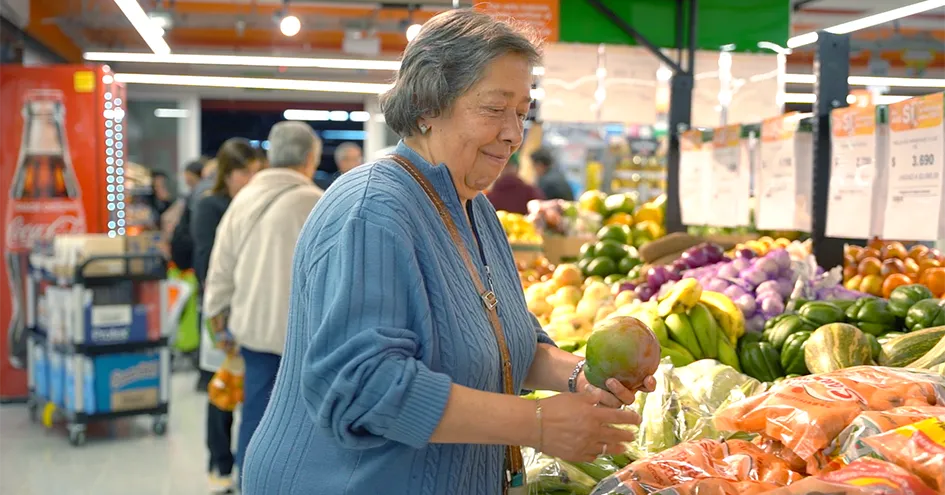
Consumers most exposed to potential material impacts1 include:
vulnerable age groups, such as children and older people, who have differentiated nutritional requirements;
individuals with specific dietary vulnerabilities and preferences, including allergies or intolerances, who rely on high standards of quality and safety, as well as correct and comprehensive information on ingredients and potential allergens.
Potential impacts may occur at different stages of the value chain:
upstream of our operations – impacts related to compliance with safety standards, traceability and allergen management, particularly by our suppliers;
in own operations – impacts linked to quality control, labelling and consumer communication;
downstream of our operations – impacts arising from the use, storage and preparation of products by consumers, as well as the reliability of the information we provide.
We identified the following material topics that directly affect our consumers: the adoption of product quality and safety standards; innovation in product and services; and making available affordable products. For more information about materially relevant topics, see “Impacts, risks and opportunities management and double materiality assessment”.
These topics influence consumer confidence and perception, and may undermine or strengthen our relationship with customers and the credibility that they attribute to us. Supply chain disruptions, in turn, pose risks that require robust management strategies to safeguard business continuity. Moreover, the pace at which new technologies emerge imposes continuous adaptation to ensure we remain competitive.
The identified risks and opportunities can affect certain groups of consumers differently. In particular, risks arising from food safety non-compliance and inaccurate nutritional information may affect children, older people and consumers with allergies or intolerances. Conversely, initiatives focused on improved labelling, nutritional reformulation and innovation represent opportunities that can deliver more significant benefits for these same groups.
1 We acknowledge that virtually all consumers may be potentially affected by our activities, products or value chains, as retail is an open and universal-access sector. That’s why, in our materiality assessment, we aim to ensure that no group is excluded. Nevertheless, we recognise that regulatory, cultural and consumption differences across markets may result in variations in both the nature and intensity of impacts. To identify consumers who are potentially more exposed, we use broad categories of vulnerability, such as specific dietary needs, age, dietary preferences and socio-economic conditions, in line with common food retail practices.