
2025 RESULTS
Our banners worked tirelessly to offer the best savings opportunities, while reinforcing their commercial dynamic. Strong sales growth protected the Group’s profitability.
Sales
EBITDA
Net profit
Major taxpayer
Taxes paid in the countries where we are
Major investor
Investment in business expansion
Major employer
New jobs created
OPERATING MODEL
Our food retail strategy is based on a mass-market approach, which means we are focused on growing volumes and offering the best savings opportunities for those who visit our stores every day.
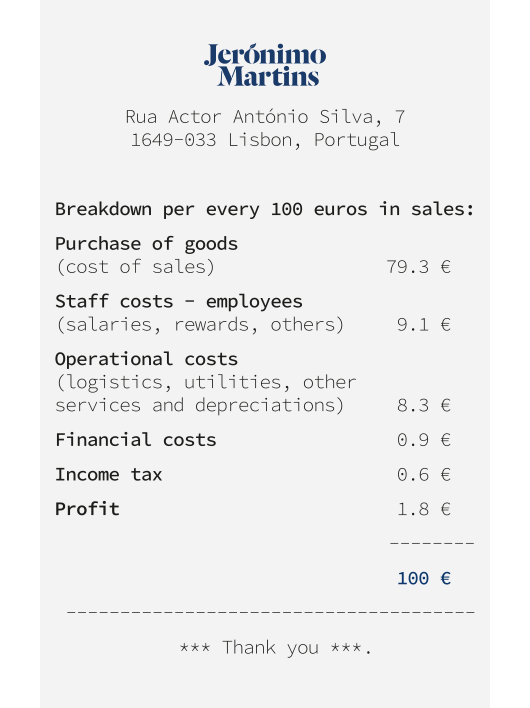
Aware that this strategic choice often puts additional pressure on our margins, we invest to strengthen our price leadership. The best possible evidence that our business is consumer-focused and volumes-oriented rather than relying on high margins is mirrored in this breakdown exercise.
WE KEEP MOVING FORWARD,
AND SO DOES TIME.
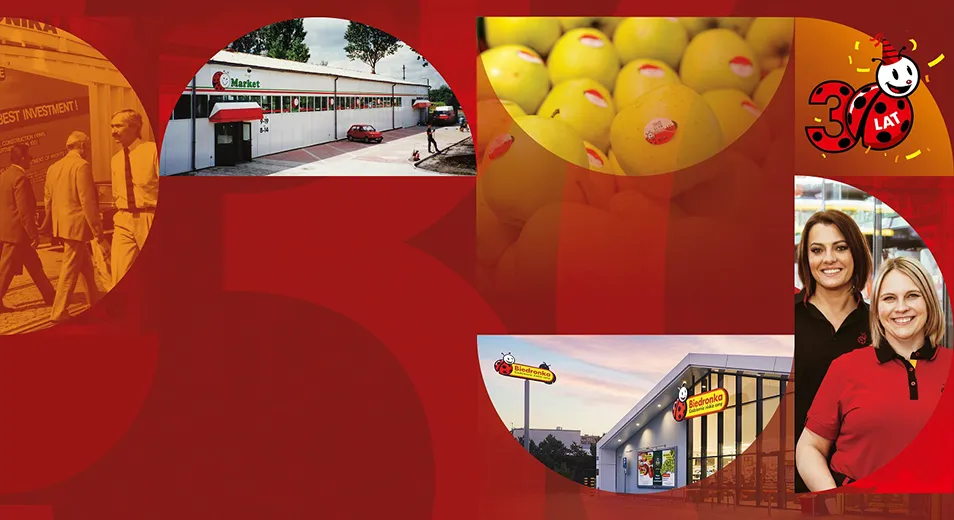
For generations, Jerónimo Martins and its Companies have been part of the everyday lives of millions of people. As time passes, our dedication, commitment, and passion for food remain unchanged.



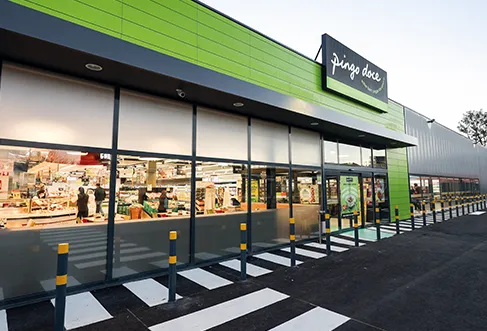
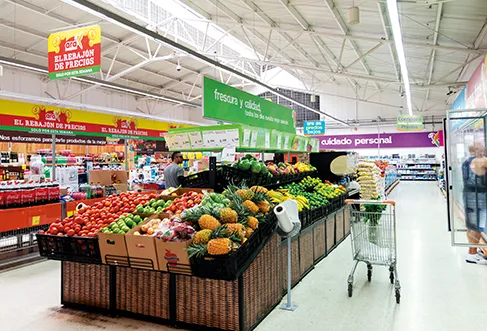
Commercial campaigns from our food distribution banners in 2025
Shakes made on Biedronka, Pingo Doce and Ara apps in 2025
Social | Product affordability
Price leadership
In 2025, consumers remained cautious in the markets where we operate, with families focusing on low prices and savings opportunities, amid a highly competitive and promotional environment.
Which product goes to the basket? The answer to this million-dollar question involves analysing a myriad of factors – price being key in the markets where we operate. To offer the best prices to consumers, it is necessary to take into account all costs inherent to the production, purchasing and distribution of goods as well as understanding how much customers are able and/or willing to pay for them. Delivering affordability requires scale, operational discipline and constant optimisation on all fronts.
To gain consumer preference and push for sales, throughout the year our food distribution banners, including the Amanhecer network of stores, launched a total of 602 leaflets with weekly promotions for different product categories – the equivalent to almost two leaflets a day – together with 227 campaigns, which were primarily focused on price positioning, and also on rewarding those who trust our banners.
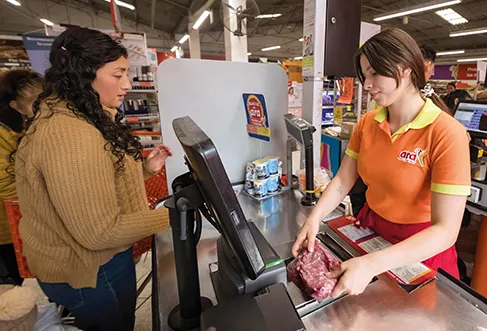
In this context of price awareness and sensitiveness, Private Brand products are relevant to consumers. In Ara, for instance, the Private Brand products represented 41% of total sales. In Biedronka, this figure reached 38% and in Pingo Doce, Private Brand products accounted for around 28% of total sales. As for Recheio, 24% of total sales are of Private Brand products.
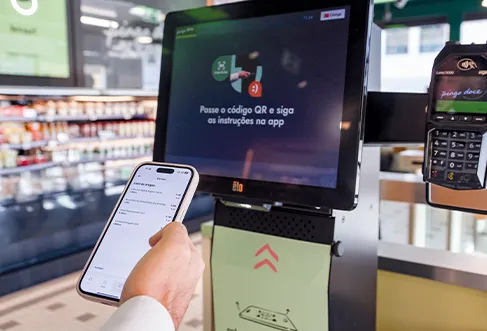
Digital tools also contributed to strengthen our low price strategy. On top of the promotional coupons to be used in future purchases, the mobile apps of Pingo Doce, Biedronka and Ara enable customers to access personalised promotions, including daily offers based on previous shopping behaviour. In 2025, more than 1.4 billion “shakes” were recorded across the apps of our main food retail banners in Portugal, Poland and Colombia.
Keeping up with our commitment to price leadership requires focus, efficiency and consistency – ensuring that good food remains accessible to the millions of people who shop with us every day.
Commercial campaigns from our food distribution banners in 2025
Shakes made on Biedronka, Pingo Doce and Ara apps in 2025
We changed the recipes of our Private Brand products, avoiding the use of:
of sugar
of salt
of fats
Social | Product safety & quality standards
Keeping pace with consumer needs
Whether craving an indulgence moment or a healthy ready-to-eat meal, consumers can count on our drive and diverse product offering, to better respond to specific needs and preferences, while complying with the highest quality and food safety standards. This is how we build consumer trust.
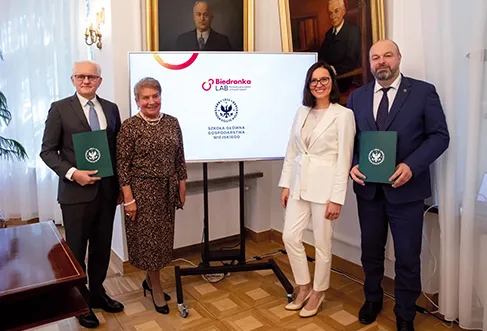
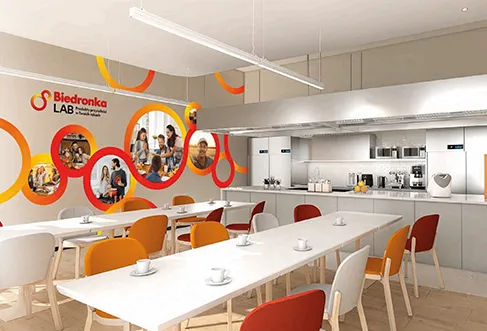
Biedronka has partnered with the Warsaw University of Life Sciences to establish Biedronka LAB, an innovative centre focused on developing nutritious, high-quality Private Brand food products. This collaboration – the first of its kind between a leading nutrition university and a major Polish food retailer – will involve consumers in the product development process to address evolving dietary needs across different age groups. The centre is expected to open in 2026, with the first products reaching the market by the end of the same year.
Committed to provide healthier products to consumers, Pingo Doce is the first food retailer in Portugal to have 100% of its Private Brand assortment free of artificial colourings and flavour enhancers. In 2025, Ara removed artificial colourings from its Private Brand products and Biedronka continued to implement clean labelling strategies, by eliminating unnecessary thickeners, flavourings and sweetners from its product formulas.
Improving the nutritional profile of our products means always bearing in mind the health of those who trust our businesses. In 2025 alone, we avoided the use of 320 tonnes of sugar, 39 tonnes of salt and 275 tonnes of fats (saturated and non-saturated) in our Private Brand product formulas. At the same time, we replaced refined cereals with whole grains as the main ingredient, increasing the fibre content of our Private Brand breakfast cereals in Portugal and Poland.
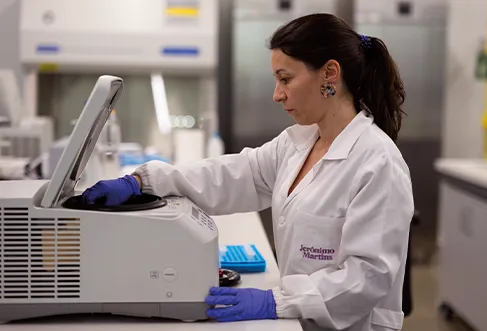
To verify compliance with our Product Quality and Safety Policy and with the international standards, the Group relies on its own technicians, alongside external auditors and independent and accredited laboratories, and promotes regular product analysis and audits to the stores, distribution centres and other infrastructures. In 2025 alone, more than three thousand food safety and quality audits to perishables and Private Brand suppliers were conducted and 280 thousand analyses were performed, including to work surfaces, product manipulators, raw materials and water.
We changed the recipes of our Private Brand products, avoiding the use of:
of sugar
of salt
of fats
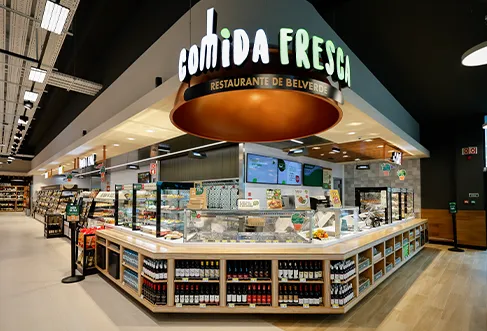
Private Brand launches
New stores
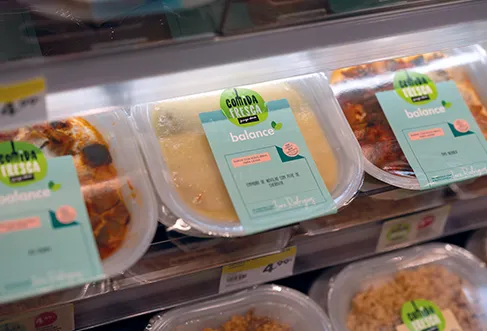
Comida fresca restaurants
Social | Product and services innovation
Changing times, changing choices
Walking into a store and discovering guava-flavoured yoghurts, avocado chunks that never go rot or even healthy snacks fit for a baby, can be a moment of true joy for those who are experience seekers. These are just three of the 744 Private Brand launches registered across our food distribution Companies in 2025, targeting different lifestyles, needs and expectations.
At Jerónimo Martins not only do we improve our Private Brands in what regards health standards and food safety, we also monitor consumer trends to develop new and innovative products and services, taking into account the different preferences in each country where we operate.
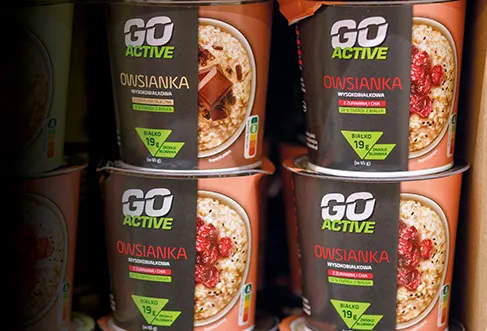
That is why we improved our assortment for people who have dietary restrictions, like lactose or gluten intolerances, for people with an active lifestyle, for vegans and vegetarians, and for those who prefer organic.
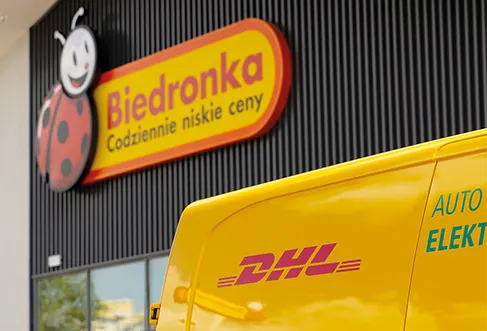
We strive to provide services that make our consumers’ lives easier, having proximity and convenience as top-of-mind. In Poland, Biedronka reinforced its partnership with DHL to offer 24/7 lockers in around 3,000 stores. At the same time, the Company has grown its quick-commerce operation in Poland to meet the rising demand for convenient, fast and affordable online shopping.
In Portugal, Pingo Doce refurbished 52 locations to its All About Food concept, which is specially focused on fresh produce and meal solutions. 2025 was also the year in which Pingo Doce opened its own online store, with access to the benefits of the My Pingo Doce App, ensuring consistency between in-person and online purchases.
Designed for the B2B market, Recheio launched its first app, offering a range of features that simplify business management, and introduced the HoReCa Lab, an innovative pilot project aimed at co-creating with its clients Private Brand MasterChef products, according to market needs. The Amanhecer chain surpassed 750 stores nationwide.
In Colombia, Ara closed the year with 1,653 stores, including 70 Bodegas del Canasto, and a new distribution centre, in the region of Cota – Cundinamarca.
Private Brand launches
New stores
Comida fresca restaurants

Percentage of food products sourced from local suppliers
Portugal
Poland
Colombia
Governance | Sustainable & responsible criteria in the supply chain
Growing closer, moving faster
We strive to establish long-lasting and trustworthy relationships with our suppliers, considering them true partners in the goal of providing the best products to our consumers.
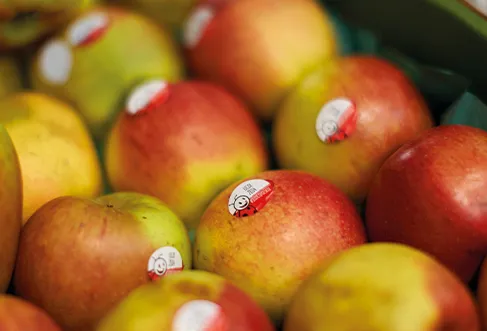
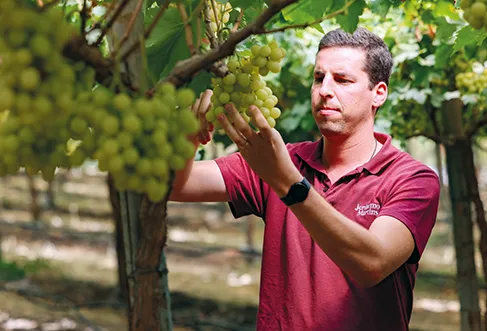
At Jerónimo Martins we believe that proximity is quality’s best friend – the closer we are to where food is produced, the easier it is to guarantee its freshness and quality. There are other advantages: proximity allows products to arrive faster at the stores, which reduces greenhouse gas emissions and the environmental footprint associated with our operations.
It is for these reasons that 92% of the food products we sell come from local suppliers. Our assortment is constantly adapted to consumer needs and the specific characteristics of each market.
Our strict guidelines and polices provide information in environmental and quality matters to all our partners, promoting alignment with our sustainability strategy and thus building more resilient supply chains.
We believe that the responsible sourcing of natural resources is paramount to ensuring more sustainable supply chains. That is why we work closely with our suppliers in fighting deforestation and preventing the destruction of tropical forests for producing food or the ingredients used in the making of food products. The efficient use and management of water resources is also a priority.
Percentage of food products sourced from local suppliers
Portugal
Poland
Colombia
Carbon footprint reduction (Scopes 1 and 2) vs. 2021
Reduction in energy consumption (per million euros in sales) compared to 2021
Share of renewable energy in our total consumption
Environment | Climate change
Reducing our footprint
We act responsibly throughout the entire value chain to ensure an efficient management of natural resources and reduce the carbon footprint of our activities.
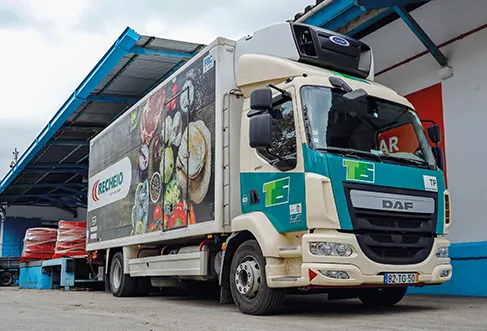
Could you imagine a supermarket operating without refrigerators or freezers? Or a distribution centre with no cooling systems? What about a food distribution operation without refrigerated and temperature-controlled trucks and vans to transport the products, namely fish, to the store?
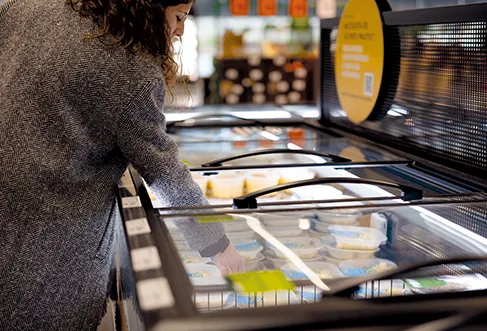
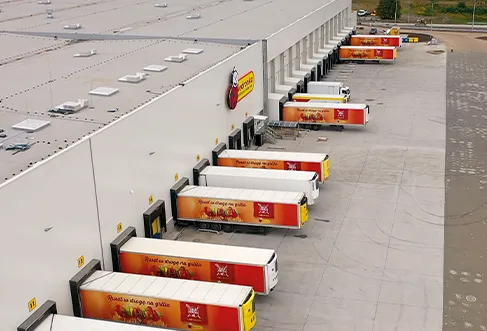
A business like ours requires significant energy consumption, which means we have a responsibility to always seek for ways to consume less and also to use the cleanest energy sources whenever possible. Investing in solar panels is an excellent way to reduce emissions, as the heat generated by the sun is a clean and renewable energy source that reduces dependence on fossil fuels.
In 2025, we expanded the installation of photovoltaic panels. More than 40% of our network of stores and distribution centres is already using this technology. The energy produced by these panels is for self-consumption, reducing our dependency on the the energy market and utility providers.
The purchase of electricity from renewable sources and the modernisation of equipment that uses natural or low global warming potential (GWP) refrigerant gases are other measures we continued to implement in 2025, a year in which more than half of our total energy consumption came from renewable sources.
Carbon footprint reduction (Scopes 1 and 2) vs. 2021
Reduction in energy consumption (per million euros in sales) compared to 2021
Share of renewable energy in our total consumption
Ecodesign packaging projects implemented in 2025
of plastic, cardboard, aluminium and other packaging materials avoided between 2011 and 2025
of all Private Brand products ecodesigned between 2011 and 2025
of single-use plastics avoided with the ECO refillable solution in 2025
Environment | Packaging redesign for sustainable resource use
Small changes that can make a big difference
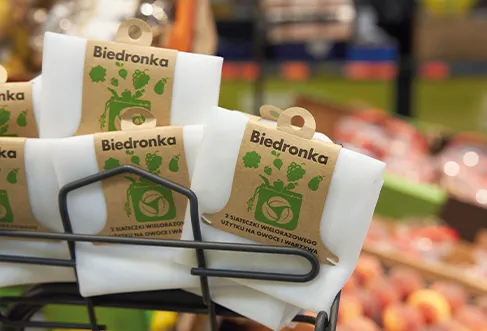
Designing a package is much more than just creating something that catches the eye on the shelf. It is safe to say that when it comes to products, the outside also matters. A lot.
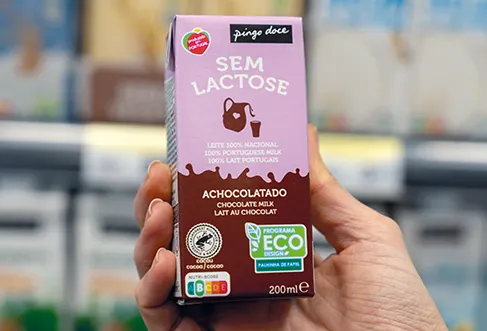
A simple, small change in any of the elements that compose a package can represent a significant reduction in the natural resources used to produce it. That is why rethinking product packaging to reduce materials, allows us to improve efficiency and make a big positive difference towards our sustainability goals. Fewer materials mean fewer natural resources and, at the same time, it can also be synonymous with lighter packaging. The lighter the package, the less carbon emissions are associated with its transportation.
To reduce the environmental impact and optimise production, transport and waste management costs related to product packaging, we have been implementing our own ecodesign project for over a decade. Since its launch in 2011, we have avoided the use of 59,638 tonnes of plastic, paper, cardboard and other packaging materials as a result of the more than 2,900 changes implemented. Due to increased transport efficiency, we calculate that the ecodesign packaging project also helped avoid the emission of 7,467 tonnes of CO2 equivalent.
During the year, our total material consumption (per million euros) decreased by 3% and we incorporated 43.1% of recycled materials in our service and Private Brand product packaging, and other single-use plastic and paper items.
Around 92% of the paper and timber virgin fibres used in our Private Brand products and packaging had sustainability certification (FSC®, PEFC or SFI), in line with our goal of ensuring the certification of 100% Private Brand products and packaging by 2030.
Our food distribution chains share a system of reusable boxes to pack and transport perishables between central kitchens, distribution centres and stores. With this project we have avoided the use of over 41,600 tonnes of disposable packaging, while ensuring that boxes were reused over 43 million times. We also provide reusable solutions for our customers, such as options for refilling packaging at home or water bottles that can be refilled in store.
Ecodesign packaging projects implemented in 2025
of plastic, cardboard, aluminium and other packaging materials avoided between 2011 and 2025
of all Private Brand products ecodesigned between 2011 and 2025
of single-use plastics avoided with the ECO refillable solution in 2025
Food waste avoided through our markdown project
“Ugly” fruits and vegetables incorporated by our food distribution companies between 2015 and 2025
Environment | Food waste
No time to waste
We must act quickly and efficiently to prevent food waste, while meeting our customers’ preferences and ensuring that surplus food reaches people in need.
As a food retailer specialised in perishables, we understand that providing fresh food with the quality our customers expect requires extra care. Many of the items we deal with, especially fruit and vegetables, are highly sensitive to temperature, shelf life and handling. It is estimated that food waste occurring in food retail, as well as in food services and restaurants in Europe, account for 19% of the total. The remaining waste occurs during harvesting, transportation, manufacturing and in households.
We must act quickly and efficiently to prevent food waste, while meeting our customers’ preferences and ensuring that surplus food reaches people in need. That is why we engage with the different links of our value chain in this quest: from primary production and suppliers to our employees, consumers and the communities surrounding our stores.
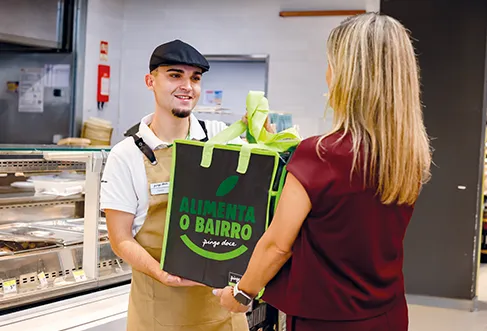
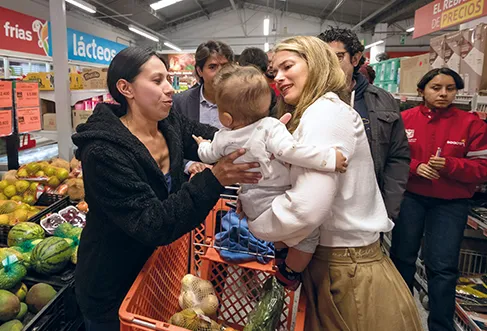
Every day we donate surplus food to social institutions that have a deep understanding of local needs and are close to the most vulnerable communities. This practice is in place across our food distribution companies and makes sure that food reaches people who really need it.
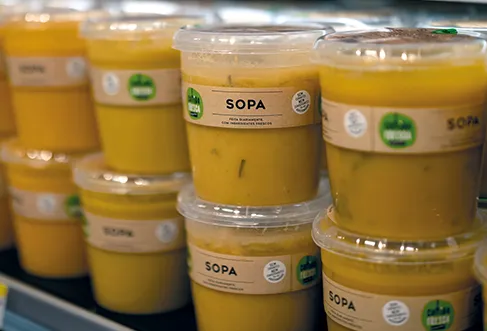
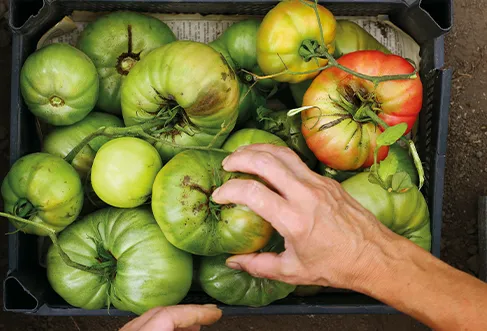
Instead of just being left to rot in fields, we also purchase “ugly” fruit and vegetables that have exactly the same nutritional profile as the “pretty” ones. Most are used to make our soups in Portugal and Poland or transformed into convenient food solutions, such as pre-cut and washed vegetables ready for consumption.
Food waste avoided through our markdown project
“Ugly” fruits and vegetables incorporated by our food distribution companies between 2015 and 2025
Direct community support in 2025
Food donated in 2025
Social | Engagement and supporting local communities
Helping others moves us forward
Our ongoing engagement with local communities gives us a clear understanding of the challenges they face, shaping our social support strategy to better meet existing needs and increase our impact.
There is a popular saying that goes: “If you want to go fast, go alone; if you want to go far, go together”. Our Group’s vision has always been one of responsible and shared value creation, aiming to contribute to the development of the societies in the countries in which it operates.
The Group’s support reaches the most vulnerable populations and those exposed to socio-economic risks through partnerships with associations and charitable organisations. The most significant contributions are in the form of food donations, guaranteeing that food that can no longer be sold in stores but is still in perfect conditions for consumption, fully complying with safety and quality standards, reaches those in need.
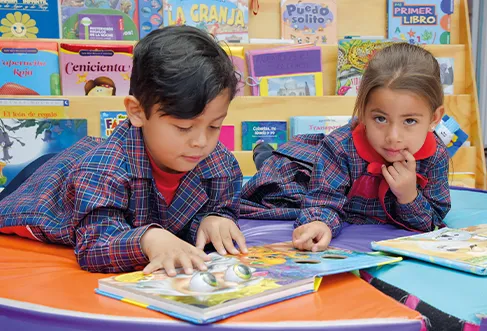
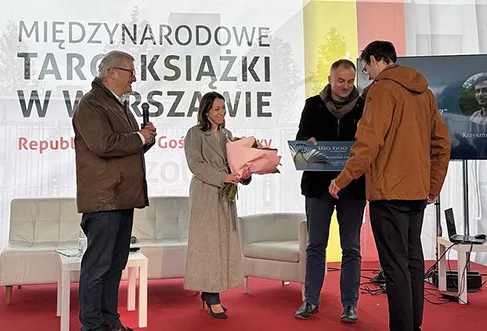
In 2025, around 91 million euros was allocated to direct supporting, both monetarily and in-kind, over 2,200 entities, with all Group’s companies deeply engaged with their surrounding communities.
Additionally, the Group allocated 40 million euros to the Jerónimo Martins Foundation, which aims to support employees and their families, as well as vulnerable social groups in the communities, in the areas of social emergency response, health and education.
Direct community support in 2025
Food donated in 2025
Employees
Investment in employee recognition measures
Investment in wellbeing and social support for employees
Social | Labour rights and working conditions – own workforce
Caring for our people
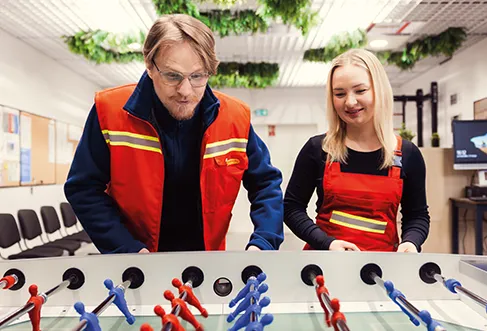
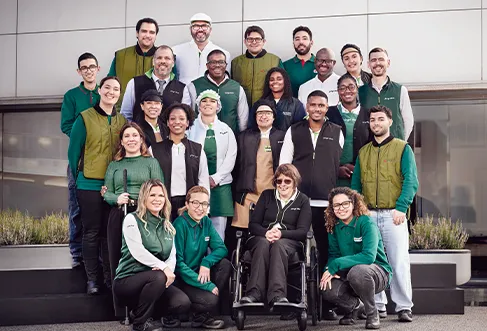
Without our more than 147,000 employees, from 86 different nationalities, we wouldn’t be able to run our businesses, keep products on the move and deliver good and committed service to customers.
In a fast-moving business like ours, it is essential to pay close attention to the wellbeing of everyone who keeps the operation running, making sure their needs and expectations are met.
Our employees span across six different countries and three continents and, although this is a business that tends to have a certain level of turnover, we are proud to have our employees with us for an average of 6 years. Our workforce is predominantly made of women and this is also true in leadership and management positions. At the same time, more than 40% of our new hires in 2025 are under the age of 30, which shows we are more attractive amongst the younger generations.
We pay all our employees above the national minimum wage of each country in which we do business. Moreover, most of our employees have their salary reviewed after the first year of employment, as a means of rewarding their commitment and promoting differentiation based on experience and autonomy. We also have merit-based salary review processes in all Companies.
In Portugal, office and logistics employees can access wellness centres, including gym services and dermatology treatments, and physical rehabilitation facilities, located in Azambuja and Alfena, to prevent and treat physical and musculoskeletal conditions. In 2025, the Wellness Centre was awarded the Social Sports Project Award for its impact on promoting wellbeing and healthy habits in the workplace. Employees also have access to a wide range of medical, psychological, nutritional and physiotherapy services.
In Poland, we offer employees a range of medical exams on different parameters such as diabetes, hormone and cancer screening tests, among other preventive analyses, which reached over 30,000 employees and 13,000 family members in 2025.
In 2025, Biedronka’s integrated approach to the physical, mental and social health of employees and their families was distinguished by the Dobrostar Wellbeing Awards101, and the “Razem zadbajmy o zdrowie” (Let’s take care of health together) programme was recognised by the CSR Poland Awards.
Employees
Investment in employee recognition measures
Investment in wellbeing and social support for employees
People that changed roles, workplace or company
People promoted
Invested in training
Social | Employee learning and development
Empowering our people
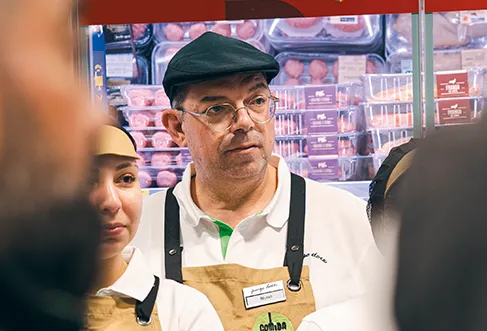
We believe that the investment in the lifelong learning and personal and professional development of our own workforce is one of the most important priorities we can assume as an employer.
We train our people, from operations to leadership positions, having courses and training programmes in place, both in partnership with external institutions and using in-house know-how, both in face-to-face and online formats. In 2025, our investment in developing our people’s capabilities exceeded 17 million euros, resulting in over 9 million hours of training, equivalent to an average of 66 training hours per employee. With over 218,000 training courses conducted, we reached 94.8% of our employees.
EducAction is the Group’s main digital learning platform, designed to give all our employees fast, simple and intuitive access to training content. Different formats, such as e-learning, video and documents supporting face-to-face tuition, are available anywhere and from any device. In 2025, a total of 7,578 materials were made available, with an average of 58,217 active users per month. We also provide access to the Knowledge Share platform, a digital library that centralises more than 3,700 content materials, such as news articles, papers, podcasts and webinars.
People that changed roles, workplace or company
People promoted
Invested in training