
Ecodesign of packaging
With practically a decade and a half of existence, the Group’s packaging ecodesign project aims to optimise the packaging of our Private Brand and perishables products, without compromising product integrity. This project is built on the following objectives:
reducing the amount of material used;
promoting packaging circularity by integrating recycled materials into their composition and ensuring their recyclability;
improving the dimensions, weight, and format of packaging so that more products can be transported in each trip.
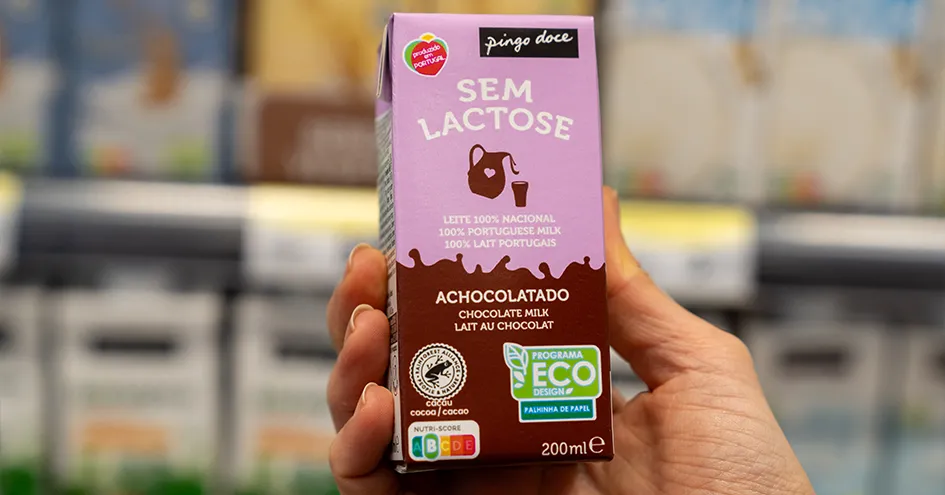
Since the launch of the project in 2011, we have avoided the use of 59,638 tonnes of materials, as a result of more than 2,900 changes implemented – including over 1,200 packages certified by FSC® or equivalent. We estimate that improved transport efficiency has avoided the emission of 7,467 tonnes of carbon‑equivalent.
In 2025, we implemented 633 packaging ecodesign projects (435 at Biedronka, 60 at Hebe, 91 at Pingo Doce, 31 at Ara, and 16 at Recheio) – meaning that, since 2011, we have modified 32.7% of our Private Brand products. During the year, we also determined that 1.2% of our plastic packaging is reusable (+0.1 p.p. vs. 2024), according to the methodology proposed by the Ellen MacArthur Foundation for reporting this indicator under the Global Commitment.
Packaging Ecodesign – 2025 Highlights
Biedronka – All Donatello lasagne packaging was simplified: instead of being placed inside a plastic wrapper, the aluminium tray is now sealed with a top film, eliminating all plastic film from the previous wrapper (except for the sealing layer). This change avoids the annual use of 157 tonnes of flexible plastic.
Pingo Doce – The 130 g whole peeled dry garlic product was launched in packaging consisting of an FSC®‑certified paper cup and a lid containing 85% recycled plastic, which saved around 950 kg of virgin plastic in 2025.
Recheio – The 200 ml Amanhecer chocolate milk bottle is now produced with 30% recycled plastic, avoiding the annual use of more than 6,200 kg of virgin plastic.
Ara – The removal of plastic labels from 13 fresh meat products results in an annual saving of 12.3 tonnes of plastic.
Hebe – The paper used in the packaging of 60 Private Brand references is now FSC®‑certified, ensuring that the paper comes from responsibly managed forests and other controlled sources.
Reusable Packaging
In 2025, reusable crates in perishable goods areas avoided the use of 41.6 thousand tonnes of disposable packaging, 2% less than in 2024.
Pingo Doce and Recheio use a pool of crates to pack and transport perishables between central kitchens, distribution centres, and stores. Through this system, the crates were used more than 43.6 million times. Biedronka used reusable crates for bakery products 17.8 million times, and Ara recorded 21.9 million uses of reusable crates for transporting bottled water, milk, meat, fruit, and vegetables.
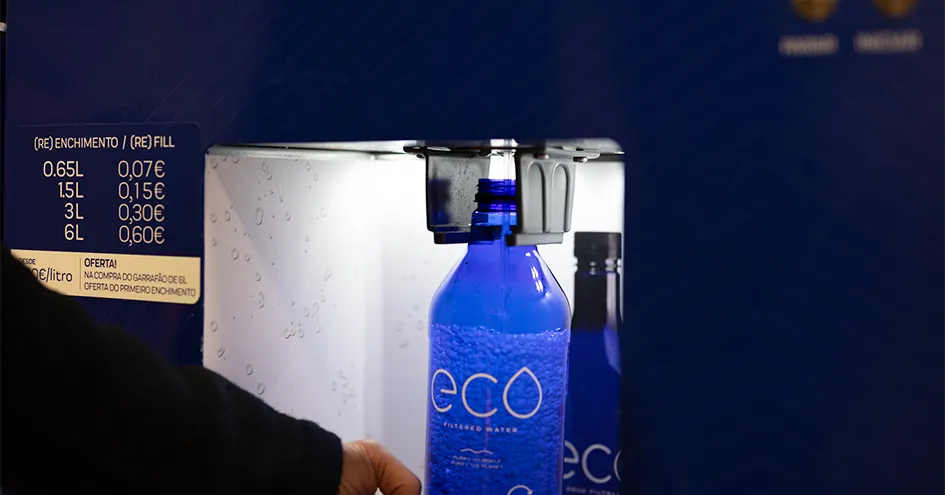
At the end of the year, the ECO refill solution for reusable plastic bottles was implemented in 309 Pingo Doce stores, avoiding the consumption of 75 tonnes of single‑use plastics (27% less than in 2024, due to fewer refills in smaller‑volume formats).
Reusable solutions for transporting customers’ purchases
Material used by type of solution |
|
2025 |
|
2024 |
|
Δ 2025/2024 |
||||||
|---|---|---|---|---|---|---|---|---|---|---|---|---|
Reusable paper check-out bags (tonnes) |
|
1,520 |
|
1,439 |
|
+5.6% |
||||||
Biedronka Poland |
|
1,375 |
|
1,221 |
|
+12.6% |
||||||
Biedronka Slovakia |
|
3 |
|
0 |
|
– |
||||||
Hebe |
|
19 |
|
16 |
|
+18.8% |
||||||
Pingo Doce |
|
91 |
|
95 |
|
-4.2% |
||||||
Recheio |
|
0 |
|
0 |
|
– |
||||||
Ara |
|
32 |
|
107 |
|
-70.1% |
||||||
Single-use plastic check-out bags1 (tonnes) |
|
10,893 |
|
*9,815 |
|
+11.0% |
||||||
Biedronka Poland |
|
7,350 |
|
6,468 |
|
+13.6% |
||||||
Biedronka Slovakia |
|
11 |
|
0 |
|
– |
||||||
Hebe |
|
41 |
|
43 |
|
-4.7% |
||||||
Pingo Doce |
|
2,417 |
|
2,342 |
|
+3.2% |
||||||
Recheio |
|
9 |
|
7 |
|
+28.6% |
||||||
Ara |
|
1,065 |
|
*955 |
|
+11.5% |
||||||
Trolleys (units) |
|
30,130 |
|
30,736 |
|
-2.0% |
||||||
Biedronka Poland |
|
0 |
|
0 |
|
– |
||||||
Biedronka Slovakia |
|
0 |
|
0 |
|
– |
||||||
Hebe |
|
0 |
|
0 |
|
– |
||||||
Pingo Doce |
|
30,114 |
|
30,722 |
|
-2.0% |
||||||
Recheio |
|
16 |
|
14 |
|
+14.3% |
||||||
Ara |
|
0 |
|
0 |
|
– |
||||||
|
||||||||||||
In 2025, customer purchases of reusable bags increased by 11% compared with the previous year. The composition of these bags includes post‑consumer recycled plastic (between 50% and 90%), amounting to more than 8,500 tonnes in 2025. The reusable polyethylene plastic bags available at Biedronka and Pingo Doce are now RecyClass‑certified.
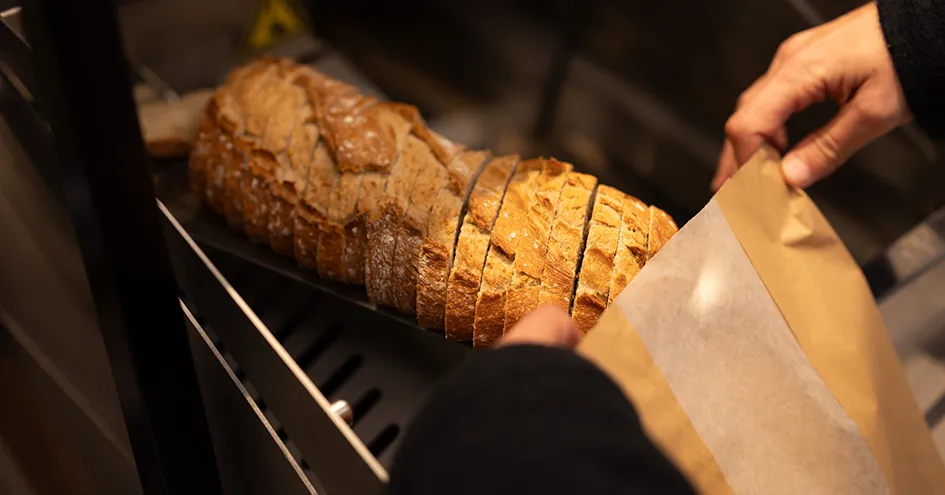
In the case of paper bags, the minimum recycled content is 70% at Biedronka and 50% at Pingo Doce, corresponding to 1,066 tonnes in 2025. At Biedronka and Hebe, the consumption of paper bags increased, as our Companies have not provided free plastic bags at checkout since 2017.
Reusable solution at Ara
The concentrated liquid laundry detergent Edén expert was launched with an option for customers to purchase an initial pack consisting of a reusable 2‑litre bottle and a sachet of concentrated solution for dilution. For subsequent purchases, customers only need to buy the sachets of concentrated solution and dilute them with water in the reusable bottle.
Since the sachets contain concentrated solution, their weight (8.27 g) is significantly lower than that of the bottle (80 g), avoiding the repeated sale of the 2‑litre bottle, and consequently, its discardability. In 2025, this measure avoided placing 10.7 tonnes of single‑use plastic on the market.
Promoting bulk sales
In addition to offering loose fruit and vegetables by weight – available in most of our food distribution stores – we have extended this option to other categories. Biedronka and Pingo Doce sell confectionery and nuts in bulk. In 2025, Biedronka sold 30.9 tonnes of bulk products (a service available in 100% of stores) and Pingo Doce sold 74 tonnes (available in 40% of stores). Ara sells rice, sugar, beans, and lentils in bulk in 154 stores (9% of the network). In 2025, 1.5 tonnes of these products were sold, 72% less than in 2024 due to restrictions imposed by the Colombian authorities.
Waste management
Our activities generated more than 705 thousand tonnes of waste, an increase of 11.2% compared with 2024, driven by the growth of our operations and, additionally, by our ongoing efforts to improve the information‑collection methodology each year, particularly regarding the categorisation of mixed waste. When considering the tonnes of waste generated per million euros of sales, we recorded a 3.4% increase compared with the previous year.
Waste produced |
|
2025 |
|
2024 |
|
Δ 2025/2024 |
|---|---|---|---|---|---|---|
Specific value |
|
19.60 |
|
18.96 |
|
+3.4% |
Waste produced (tonnes) |
|
2025 |
|
2024 |
|
Δ 2025/2024 |
|---|---|---|---|---|---|---|
By business unit |
|
705,317 |
|
634,335 |
|
+11.2% |
Biedronka Poland |
|
534,390 |
|
475,577 |
|
+12.4% |
Biedronka Slovakia |
|
984 |
|
0 |
|
– |
Hebe |
|
1,378 |
|
1,296 |
|
+6.3% |
Pingo Doce |
|
105,862 |
|
102,020 |
|
+3.8% |
Recheio |
|
7,669 |
|
7,640 |
|
+0.4% |
Ara |
|
51,166 |
|
44,062 |
|
+16.1% |
JMA |
|
3,868 |
|
3,742 |
|
+3.4% |
By type of |
|
705,317 |
|
634,335 |
|
+11.2% |
Cardboard and paper |
|
397,665 |
|
372,044 |
|
+6.9% |
Plastic |
|
17,959 |
|
17,087 |
|
+5.1% |
Wood |
|
2,928 |
|
2,634 |
|
+11.2% |
Organic waste |
|
147,670 |
|
124,941 |
|
+18.2% |
Mixed waste |
|
119,129 |
|
100,311 |
|
+18.8% |
Used cooking oils and fats |
|
263 |
|
231 |
|
+13.9% |
Wastewater treatment residues |
|
14,769 |
|
11,929 |
|
+23.8% |
Hazardous waste |
|
576 |
|
433 |
|
+33.0% |
Other waste |
|
4,358 |
|
4,725 |
|
-7.8% |
Fighting food waste
We are committed to limiting annual food waste to 2.5% of the sales volume (in tonnes) of food products during the 2024-2026 period. This objective represents an intermediate milestone in our contribution to Target 12.3 of Sustainable Development Goal 12 – Responsible Consumption and Production, as defined by the United Nations Sustainable Development Goals.
Our commitment to transparency is reflected in the fact that we were the first retailer in Portugal to calculate and publicly disclose its food‑waste footprint, following the Food Loss and Waste Protocol developed by the World Resources Institute (WRI). This process ensures rigorous accounting and continuous monitoring of performance against the targets set.
Food waste1 |
|
2025 |
|
2024 |
|
Δ 2025/2024 |
||||||||
|---|---|---|---|---|---|---|---|---|---|---|---|---|---|---|
Specific Values |
|
|
|
|
|
|
||||||||
Wasted food per food sold and wasted (%) |
|
1.8% |
|
1.8% |
|
0 p.p. |
||||||||
Food wasted per food sold (in kg/t) |
|
19.4 |
|
19.9 |
|
-2.5% |
||||||||
Destination (kg of food wasted/tonne of food sold) |
|
|
|
|
|
|
||||||||
Animal feed and bioprocessing |
|
1.3 |
|
1.4 |
|
-7.1% |
||||||||
Anaerobic digestion, composting and controlled combustion |
|
13.2 |
|
11.7 |
|
+12.8% |
||||||||
Landfill, incineration and wastewater treatment systems |
|
5.0 |
|
6.8 |
|
-26.5% |
||||||||
By business unit (kg of food wasted/tonne of food sold) |
|
|
|
|
|
|
||||||||
Biedronka |
|
21.8 |
|
21.6 |
|
+0.9% |
||||||||
Pingo Doce2 |
|
17.5 |
|
20.0 |
|
-12.1% |
||||||||
Recheio |
|
4.7 |
|
5.4 |
|
-12.4% |
||||||||
Ara |
|
14.0 |
|
15.3 |
|
-8.5% |
||||||||
|
||||||||||||||
In 2025, food waste amounted to 19.4 kg per tonne of food sold, a reduction of 2.5% compared with 2024. Food waste in relation to the volume of food sales remained stable and within our 2024-2026 target (2.5%).
Most Companies recorded a decrease in the food‑waste indicator compared with 2024, with the exception of Biedronka, which saw a slight increase. In 2025, it was not possible to calculate the indicator for Biedronka Slovakia – we are working internally to ensure it is presented in the next report. Nevertheless, the Company continues to carry out food donations, ensuring that products are safely delivered to organisations that support people with specific needs. We continue to develop internal processes to reinforce the consistency and comprehensiveness of the information reported.
In 2025, we maintained our main initiatives to combat food waste and continued exploring new opportunities for action. The strong presence of fresh products in our stores – products with shorter life cycles – represents a constant challenge to operational efficiency. Around 60% of the food waste generated in our operations comes from perishable product categories.
The initiatives we have developed upstream and downstream in our value chain, as well as in our own operations, enabled the recovery of 97.1 thousand tonnes of food (compared with 83.3 thousand tonnes in 2024), corresponding to approximately 64 thousand tonnes of avoided carbon dioxide. Our commitment is to increase by 10% the amount of food recovered in our own operations and in the supply chain compared with 2023. In 2025, the amount recovered increased by 17% compared with 2024 and 41% compared with the reference year (2023).
The donation of food surpluses from stores and distribution centres to charitable organisations is one of the actions we carry out regularly. In 2025, these donations amounted to 23.3 thousand tonnes of food, 25% more than in 2024. For more information on these donations, see ‘Direct support to affected communities’. To ensure the identification, selection, and separation of food that is safe to donate, we provide specific training to employees
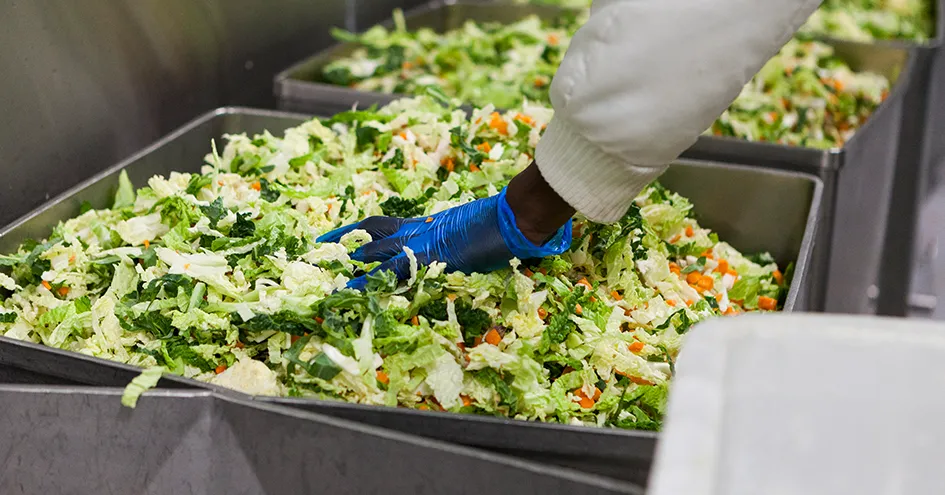
We continued incorporating non‑calibrated foods (or “ugly” vegetables, whose nutritional profile is identical to that of calibrated products) into the soups we produce in Portugal and Poland, as well as into 4th‑range products (washed and cut vegetables, ready to use) sold at Pingo Doce and Recheio. The sale of off‑spec products, such as kids’ apples, persimmons, or pumpkins, also continued. Altogether, these initiatives prevented about 13 thousand tonnes of food from being wasted during the year. Between 2015 and 2025, we avoided the waste of 149 thousand tonnes of food.
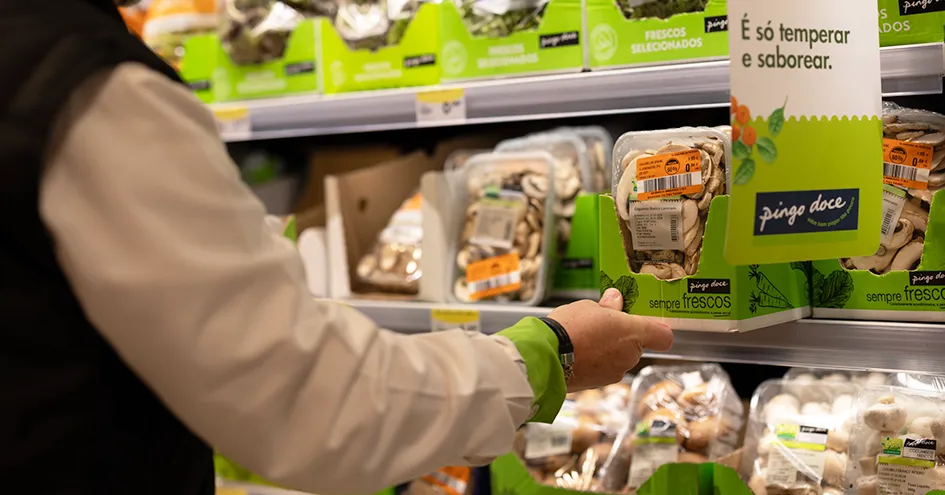
The markdown initiative has been implemented at Pingo Doce since 2019 and at Biedronka since 2020. This project consists of selling products approaching their expiry date at reduced prices and, in 2025, prevented 12.5 thousand tonnes of food waste in 1,061 stores. Since 2019, this initiative has prevented 51 thousand tonnes of food waste.
Biedronka’s partnership with Too Good To Go, in place since 2023, expanded to 500 stores. In 2025, 1.5 million bags were distributed, with an estimated 2,200 tonnes of food waste avoided (3.5% less than in 2024).
Pingo Doce uses leftover roasted chicken and suckling pig to prepare various takeaway products such as pizzas, salads, and sandwiches – an initiative that avoided 302 tonnes of food waste in 2025. The sale of salmon heads at reduced prices in fish counters avoided the waste of 197 tonnes of this product in 2025. Cut, ready‑to‑eat fruit is also sold, avoiding 167 tonnes of waste during the year. Pingo Doce also cuts large fruit (melons, watermelons, cantaloupes, papayas, and pineapples) in half so that customers buy only the quantity they need, avoiding waste both in‑store and at home.
At the same time, the Companies publish leaflets, dedicated communication, and awareness‑raising actions for consumers, both in stores and on social media, including recipe books to help make use of leftovers.
JMA also contributes to combating food waste by incorporating by‑products from the food industry and non‑calibrated vegetables into the feed used at Best Farmer. In 2025, around 29 thousand tonnes were incorporated, 59% more than the previous year. Between 2018 and 2025, JMA reused 112 thousand tonnes of these foods. In 2025, buttermilk from the Terra Alegre factory also began to be integrated into Best Farmer’s animal feed. This circular‑economy measure enabled the recovery of 454 tonnes of that by‑product.
Waste recovery from operations
As part of our circular‑economy strategy, in our operations we sort produced waste, always seeking solutions that maximise the routing of waste towards recovery operations. In 2025, we achieved a recovery rate of 86.5%, 1.7 p.p. higher than in 2024, while the weight of waste sent to landfill decreased by 2 p.p.
Waste recovery and destination in operations
Waste recovery rate |
|
2025 |
|
2024 |
|
Δ 2025/2024 |
|---|---|---|---|---|---|---|
Overall value |
|
86.5% |
|
84.8% |
|
+1.7 p.p. |
Biedronka |
|
87.6% |
|
90.0% |
|
-2.4 p.p. |
Biedronka Slovakia |
|
94.8% |
|
– |
|
– |
Hebe |
|
80.0% |
|
78.4% |
|
+1.6 p.p. |
Pingo Doce |
|
86.7% |
|
65.2% |
|
+21.5 p.p. |
Recheio |
|
81.3% |
|
70.3% |
|
+11.0 p.p. |
Ara |
|
75.2% |
|
75.7% |
|
-0.5 p.p. |
JMA |
|
93.7% |
|
92.4% |
|
+1.3 p.p. |
Waste management methods |
|
2025 |
|
2024 |
|
Δ 2025/2024 |
||||
|---|---|---|---|---|---|---|---|---|---|---|
Recovery1 |
|
86.5% |
|
84.8% |
|
+1.7 p.p. |
||||
Landfill |
|
12.7% |
|
14.7% |
|
-2.0 p.p. |
||||
Incineration (without energy recovery) |
|
0.0% |
|
0.0% |
|
0.0 p.p. |
||||
Other destinations without recovery |
|
0.7% |
|
0.4% |
|
+0.3 p.p. |
||||
|
||||||||||
The increase in recovery rates at Pingo Doce and Recheio resulted from efforts to improve the collection of actual data, reducing reliance on extrapolated information. Additionally, one of our waste‑management operators launched an innovative process for segregating organic waste, enabling the recovery of waste that was previously sent to landfill.
Customer waste recovery
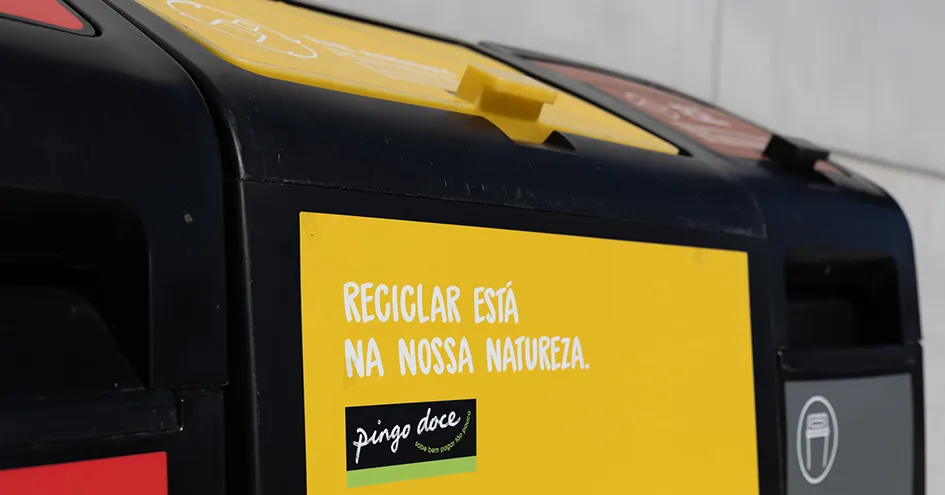
In addition to segregating waste for recovery within our operations, we provide solutions (such as recycling stations and other waste‑collection systems) that facilitate waste separation by our customers:
collection of small electrical appliances, used cooking oil, and light bulbs in 98% of the Pingo Doce network;
collection of used batteries in all Recheio and Pingo Doce stores;
collection of small electrical appliances and used batteries in 99% of Biedronka stores;
collection of used batteries in 71% of Ara stores;
collection and recovery of coffee capsules in Pingo Doce stores (this project enabled the donation of 1,594 euros to charitable organisations).
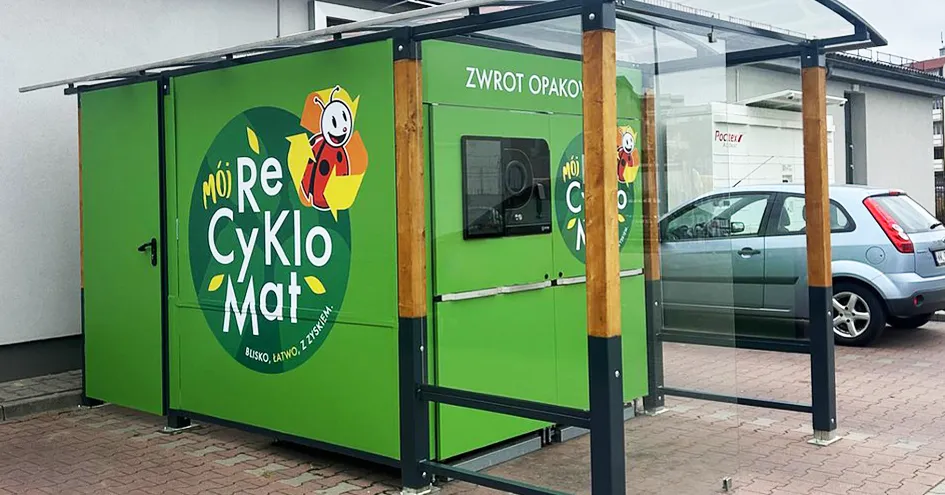
The deposit‑return system is an incentive for returning single‑use beverage packaging (plastic bottles and cans) and is being implemented in various countries. In Slovakia, the system has been in place since the beginning of Biedronka’s operations in March 2025, enabling the collection of more than 1 million packages (plastic bottles and cans) during the year. In Poland, the system began in October, with Biedronka collecting more than 183 thousand packages through automatic or manual return.
Recheio, in partnership with Novo Verde (a packaging‑waste management company), promotes the separation of plastic and metal packaging waste by HoReCa customers in one of its stores. Between May 2023 and January 2026, 257 tonnes of waste were collected. Pingo Doce is a partner of a project promoted by the municipality of Mafra (in the Lisbon area) that encourages consumers to return beverage packaging. Since the launch of this initiative in 2019, 163 tonnes of materials such as PET, glass, and aluminium have been collected.
Waste collected in stores (tonnes) |
|
2025 |
|
2024 |
|
Δ 2025/2024 |
||||
|---|---|---|---|---|---|---|---|---|---|---|
Pingo Doce |
|
605.64 |
|
626.08 |
|
-3.3% |
||||
Batteries |
|
21.09 |
|
19.05 |
|
+10.7% |
||||
WEEE1 |
|
70.42 |
|
46.21 |
|
+52.4% |
||||
Used cooking oil |
|
63.87 |
|
64.63 |
|
-1.2% |
||||
Coffee pods |
|
450.25 |
|
496.19 |
|
-9.3% |
||||
Recheio |
|
1.95 |
|
2.15 |
|
-9.3% |
||||
Batteries |
|
0.00 |
|
0.76 |
|
-100.0% |
||||
Coffee pods |
|
1.95 |
|
1.39 |
|
+40.3% |
||||
Biedronka |
|
367.72 |
|
349.24 |
|
+5.3% |
||||
Batteries |
|
346.24 |
|
318.70 |
|
+8.6% |
||||
WEEE1 |
|
21.47 |
|
30.54 |
|
-29.7% |
||||
Hebe |
|
0.36 |
|
0.05 |
|
+620.0% |
||||
Batteries |
|
0.36 |
|
0.05 |
|
+620.0% |
||||
Ara |
|
23.85 |
|
28.52 |
|
-16.4% |
||||
Batteries |
|
0.22 |
|
0.16 |
|
+37.5% |
||||
Used cooking oil |
|
0.30 |
|
0.07 |
|
+328.6% |
||||
WEEE1 |
|
23.34 |
|
28.28 |
|
-17.5% |
||||
|
||||||||||